

There’s nothing quite as maddening as lining up a critical headshot only to have your mouse register a double-click, switching weapons instead of firing. For PC gamers who spend hours in competitive matches or immersive RPG worlds, unreliable hardware isn’t just an annoyance—it’s a genuine obstacle to performance and enjoyment. If you’ve been battling erratic clicks, wrist fatigue, or connectivity drops, you’re not alone. These frustrations push countless players toward seeking better solutions, and a well-designed battery-powered gaming mouse can address all of them at once.
This guide is built for PC users who want a wireless gaming mouse that delivers ergonomic comfort without sacrificing responsiveness or durability. We’ll walk through diagnosing common mouse problems like the dreaded double-click issue, break down the essential features that separate a great ergonomic wireless mouse from a mediocre one, and provide a step-by-step selection process so you can confidently choose a battery-powered gaming mouse that fits your hand, your play style, and your setup. Whether you’re replacing a failing peripheral or upgrading for the first time, you’ll find practical, actionable guidance ahead.
Understanding Common Gaming Mouse Issues: From Double-Click Problems to Hardware Failures
The mouse double-click problem is one of the most infuriating issues a gamer can face. It occurs when a single click registers as two rapid clicks, causing unintended actions—deselecting items in your inventory, accidentally buying equipment in competitive shooters, or toggling aim-down-sights when you meant to hold steady. This isn’t a rare edge case; it’s a widespread failure that affects mice across all price ranges, often appearing after months of heavy use. Beyond double-clicking, PC gamers frequently report sensor jitter that causes erratic cursor movement during low-speed tracking, scroll wheel skipping that disrupts weapon cycling, and wireless connectivity drops that leave you frozen mid-fight. Each of these problems compounds during extended sessions, turning what should be an enjoyable hobby into a source of constant frustration.
These hardware failures aren’t just inconvenient—they actively undermine your competitive edge and can even contribute to physical strain as you unconsciously grip harder or adjust your hand position to compensate for unreliable input. The cumulative effect drives many players to seek out more durable, thoughtfully engineered peripherals. This is precisely where a quality battery-powered gaming mouse becomes worth the investment. Modern wireless mice built with longevity in mind use higher-rated switches, advanced sensors, and robust wireless protocols specifically to eliminate these pain points. Understanding what goes wrong with lesser hardware is the first step toward choosing something that won’t let you down.
What Causes the Mouse Double-Click Problem?
The most common culprit is mechanical switch degradation. Traditional micro-switches use a thin metal spring that physically bounces when clicked, and over hundreds of thousands of actuations, this spring loses tension and begins registering false contacts. Dust and debris infiltrating the switch housing accelerate the problem by creating additional contact points. In some cases, firmware debounce timing—the software delay designed to filter out accidental double signals—is set too aggressively or too loosely, causing phantom inputs even on newer mice. For gamers, this means missed abilities, accidental purchases, and broken immersion that no amount of skill can overcome.
Other Hardware Issues to Watch For
Poor battery life forces you to recharge or swap batteries mid-session, breaking focus at critical moments. Wireless interference from nearby routers, Bluetooth devices, or even USB 3.0 ports can introduce input lag or momentary disconnections that feel like the mouse simply stops responding. Perhaps most insidious is ergonomic discomfort—a mouse that doesn’t match your hand shape or grip style creates gradual strain in your wrist, forearm, and fingers. Over weeks and months, this leads to pain that limits how long you can play. For PC users seeking lasting fixes, addressing all of these concerns simultaneously means choosing a battery-powered gaming mouse engineered with durability, stable connectivity, and ergonomic precision from the ground up.
Essential Features of an Ergonomic Battery-Powered Gaming Mouse
When shopping for a battery-powered gaming mouse that genuinely prioritizes ergonomics, you need to look beyond marketing buzzwords and focus on the physical and technical characteristics that determine day-to-day comfort and performance. The shape of the mouse is the single most important factor—it dictates how your hand rests during hours of gameplay and whether you’ll develop strain over time. A truly ergonomic design features contoured surfaces that support the natural arch of your palm, a thumb rest that prevents your finger from dragging on the mousepad, and side profiles that don’t force your fingers into awkward claw positions unless that’s your preferred grip style. Materials matter too; a soft-touch coating provides grip without requiring you to squeeze tightly, while textured rubber side panels let you lift and reposition the mouse with minimal effort.
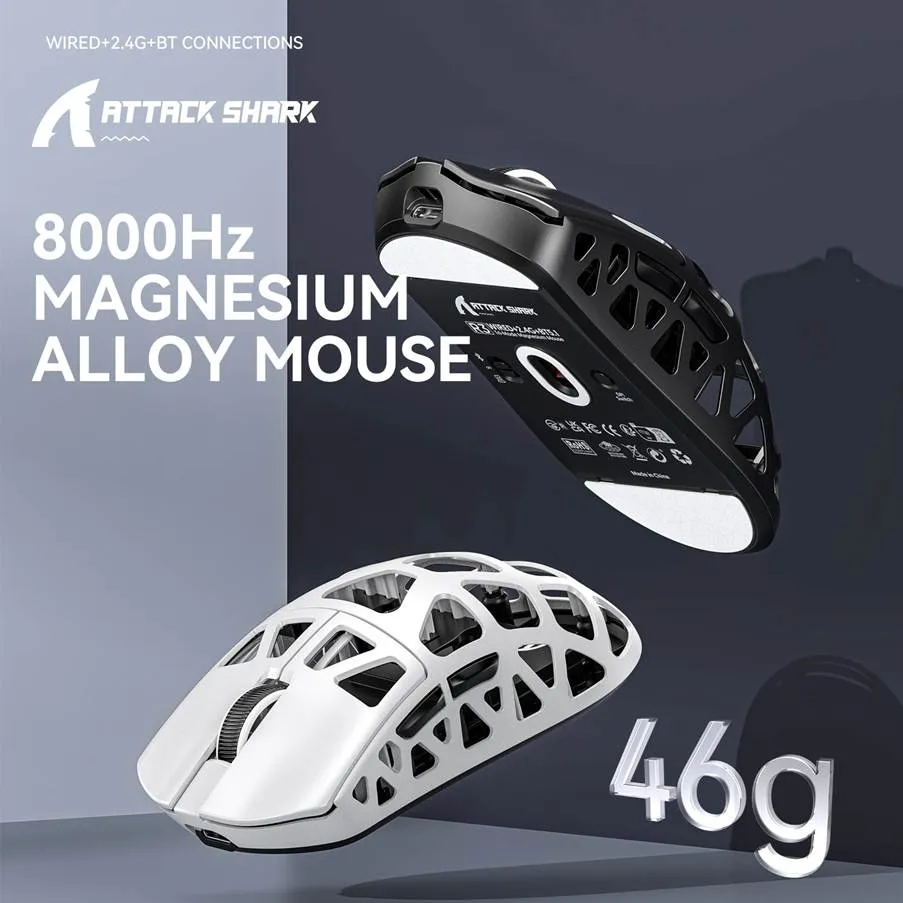
Weight plays a critical role in ergonomic performance. A mouse that’s too heavy forces your wrist and forearm muscles to work harder during fast swipes, accelerating fatigue during marathon sessions. Conversely, an ultralight mouse can feel imprecise if you prefer controlled, deliberate movements. Many quality battery-powered gaming mice now offer weight between 70 and 90 grams including the battery, striking a balance that suits most players. The wireless aspect adds convenience but also introduces considerations around battery weight distribution—a well-engineered mouse places battery weight centrally to avoid creating a lopsided feel during flick shots or tracking movements. Look for mice where the center of gravity sits naturally beneath your palm rather than pulling toward the front or rear of the shell.
Design Elements for Maximum Comfort
Your grip style fundamentally determines which mouse shape works for you. Palm grip users need a longer, wider body with a pronounced hump that fills the hand completely, distributing pressure across the entire palm rather than concentrating it at contact points. Claw grip players benefit from a shorter body with a more aggressive rear hump that supports the back of the palm while allowing fingertips to arch over the buttons. Fingertip users require a compact, flat profile that provides minimal contact. Hand size compounds these differences—someone with large hands using a mouse designed for small-handed fingertip users will inevitably curl their wrist downward, creating extensor strain within minutes. Measure your hand from wrist crease to middle fingertip and compare against manufacturer sizing charts before committing. Adjustable components like swappable side panels or magnetic rear shells that alter the hump height can bridge the gap if you fall between standard sizes.
Battery Life and Power Management Tips
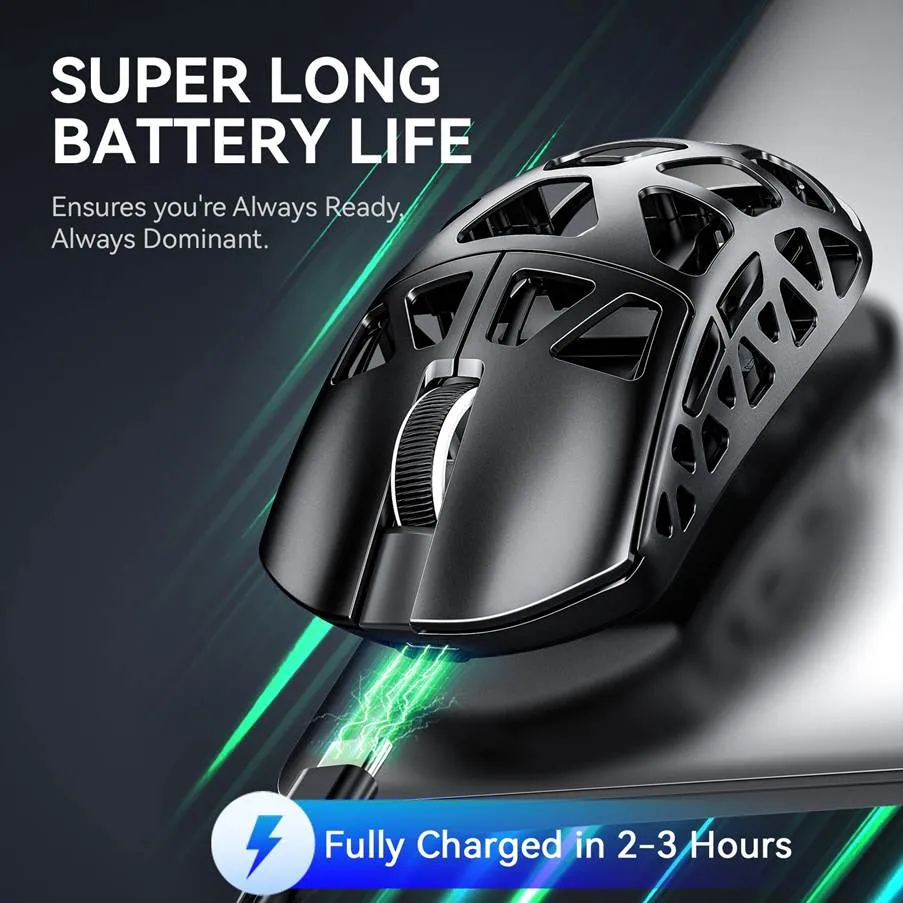
Battery technology in modern wireless gaming mice has improved dramatically, but meaningful differences still exist between models. Mice using a single AA lithium battery often deliver months of use with a slight weight penalty, while rechargeable lithium-polymer cells offer lighter builds at the cost of needing periodic charging. The key metric isn’t just total battery life—it’s battery life at your preferred polling rate. A mouse advertising 300 hours of use might only deliver 70 hours at a 1000Hz polling rate, which is what competitive gamers actually use. Smart power management features extend usable life significantly: automatic sleep modes that activate after brief idle periods, low-power sensor states during menu navigation, and RGB lighting that dims or disables during gameplay all conserve energy without requiring you to think about it. If you choose a rechargeable model, prioritize mice that remain fully functional while charging via cable, so a low battery notification never forces you out of a match. Some newer mice support wireless charging through compatible mousepads, eliminating the charging interruption entirely.
Step-by-Step Guide to Choosing the Right Ergonomic Gaming Mouse
Selecting the right battery-powered gaming mouse requires more than browsing bestseller lists or following streamer recommendations. What works brilliantly for one player might cause discomfort or performance issues for another, because the ideal mouse sits at the intersection of your unique physical characteristics, gaming preferences, and technical requirements. A systematic approach ensures you invest in a peripheral that solves your existing problems—whether that’s double-clicking, wrist pain, or wireless instability—rather than introducing new ones. The following steps transform what can feel like an overwhelming marketplace into a manageable decision process, helping you narrow dozens of options down to the two or three mice most likely to serve you well for years.
Think of this as building a requirements profile before you ever look at a product page. By understanding exactly what you need from your mouse before evaluating specific models, you avoid the common trap of being swayed by flashy features you’ll never use while overlooking critical characteristics that determine everyday satisfaction. This approach also protects you from impulse purchases driven by sale prices on mice that don’t actually fit your hand or match your sensitivity preferences.
Step 1: Assess Your Gaming Habits and Physical Needs
Start by documenting your typical session length, primary game genres, and current sensitivity settings. FPS players making frequent large swipes have different ergonomic demands than MOBA players who rely on precise short movements. Next, measure your hand length and width, then identify your natural grip style by observing how you hold your current mouse without thinking about it. Note any existing discomfort—pain in the wrist, numbness in the pinky finger, or tension in the forearm all point toward specific ergonomic deficiencies in your current setup that your next mouse must correct.
Step 2: Evaluate Wireless Connectivity and Performance
Not all wireless technologies deliver equal performance. Dedicated 2.4GHz RF dongles provide the lowest latency, typically matching or beating wired connections at 1ms response times, making them the only serious option for competitive gaming. Bluetooth conserves battery life and eliminates the need for a dongle but introduces noticeably higher latency that ranges from 7 to 15 milliseconds—acceptable for casual play or productivity but problematic in fast-paced shooters. Many battery-powered gaming mice offer dual-mode connectivity, letting you switch between RF for gaming and Bluetooth for travel or office use. When evaluating RF performance, check whether the dongle supports placement via an extension cable, since positioning it close to the mouse and away from USB 3.0 ports dramatically reduces interference. Also verify the mouse’s polling rate options; 1000Hz is the current standard for competitive play, though some newer models offer 2000Hz or 4000Hz for marginally smoother tracking.
Step 3: Test and Compare Specific Models
Whenever possible, handle mice physically before purchasing. Visit electronics retailers that have display models and spend several minutes gripping each candidate in your natural style—thirty seconds isn’t enough to reveal comfort issues that emerge during extended use. If in-store testing isn’t available, seek out detailed video reviews that show hand positioning from multiple angles and discuss long-session comfort specifically. Pay attention to reviewers who mention switch longevity and double-click resistance, particularly whether the mouse uses optical switches that eliminate mechanical contact bounce entirely. Brands like ATTACK SHARK have gained attention in the gaming peripheral space for offering lightweight wireless mice with optical switches at accessible price points, making them worth including in your comparison list. Compare at least three serious candidates side by side on paper, weighing ergonomic fit, battery life at your intended polling rate, and build quality before making your final decision.
Wireless Connectivity and Integration with Gaming Accessories
A battery-powered gaming mouse doesn’t exist in isolation—it functions as one component within a broader ecosystem of peripherals that collectively shape your gaming experience. How well your mouse communicates wirelessly and integrates with your other gear determines whether your setup feels cohesive or fragmented. Advanced wireless mice now feature adaptive frequency hopping that scans for the cleanest channel in real time, maintaining rock-solid connections even in environments crowded with competing signals from wireless keyboards, headsets, and smart home devices. This matters because modern gaming setups often include multiple wireless peripherals operating simultaneously, and poorly managed wireless traffic creates the kind of micro-stutters and input delays that erode competitive performance without being immediately obvious to the user.
The best battery-powered gaming mice are designed to complement your existing accessories rather than conflict with them. Unified receiver systems allow a single USB dongle to manage your mouse, keyboard, and even headset dongle traffic, freeing up USB ports and reducing potential interference sources. Software integration ties everything together, letting you create profiles that synchronize across devices—switching from an FPS game to a strategy title can automatically adjust your mouse sensitivity, keyboard macros, and lighting themes in one action. This level of integration transforms individual peripherals into a unified system that adapts to your needs without manual reconfiguration between sessions.
Ensuring Stable Wireless Performance in Gaming Environments
Position your wireless dongle using an extension cable so it sits within clear line of sight of your mouse, ideally on your desk surface rather than behind a PC case. Keep the dongle at least six inches from USB 3.0 ports, which emit interference in the 2.4GHz band. Update your mouse firmware regularly, as manufacturers frequently release patches that improve connection stability and reduce latency spikes. If you experience intermittent drops, switch your Wi-Fi router to the 5GHz band to eliminate overlap with your mouse’s 2.4GHz signal, and disable Bluetooth on nearby devices you aren’t actively using.
Syncing with Your Gaming Ecosystem
Most premium battery-powered gaming mice integrate with manufacturer software suites that unify peripheral management under one application. These platforms let you synchronize RGB lighting effects across your mouse, keyboard, and headset for visual consistency, while also enabling cross-device macro programming that triggers complex actions with a single button press. Cloud profile storage ensures your settings follow you between computers, and open API support in some ecosystems allows third-party games and applications to trigger dynamic lighting responses based on in-game events—health drops, ability cooldowns, or ammunition warnings reflected through your peripherals in real time.
Making Your Final Selection: Prioritize Ergonomics, Durability, and Wireless Reliability
Choosing the right battery-powered gaming mouse comes down to solving real problems rather than chasing specifications. The mouse double-click issue, connectivity drops, and ergonomic discomfort aren’t minor inconveniences—they’re persistent obstacles that degrade your performance and enjoyment over time. By understanding what causes these failures, you can prioritize mice built with optical switches or high-durability mechanical switches that resist degradation, stable 2.4GHz wireless protocols that maintain consistent low-latency connections, and thoughtful ergonomic designs matched to your specific hand size and grip style.
The features that matter most are the ones aligned with your personal needs: a shape that supports hours of comfortable play without strain, battery life that holds up at competitive polling rates, and wireless performance that never makes you question whether your input registered. Use the step-by-step process outlined here—assess your physical requirements first, evaluate connectivity and technical performance second, then test or research specific models against those criteria before purchasing. This methodical approach protects you from expensive mistakes and ensures your next mouse genuinely enhances your gaming experience. Take the time to measure your hand, identify your grip, and define your priorities, then invest in a battery-powered gaming mouse that meets all of them confidently.