
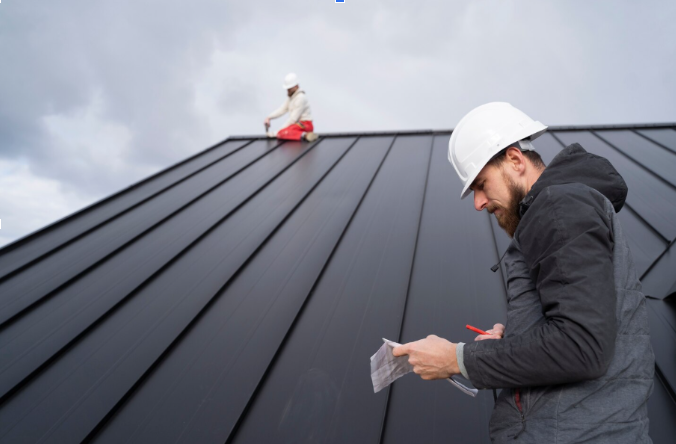

Homeowners associations carry a unique responsibility when it comes to property maintenance. Unlike single-family homes, HOA-managed communities often include multiple buildings, shared structures, and complex exterior systems that must perform reliably for decades. Among the most critical components of that responsibility are roofing and waterproofing systems, which serve as the first line of defense against weather, moisture intrusion, and structural damage.
When these systems are neglected or addressed only after problems appear, communities can face rising repair costs, resident complaints, and long-term deterioration. That’s why many HOA boards are moving toward a proactive approach that focuses on prevention, long-term planning, and expert oversight.
Why Roofing and Waterproofing Matter More in HOA Communities
In multifamily properties, a single failure can affect many households at once. A roof leak in a shared building may impact multiple units, common corridors, and electrical or mechanical systems. Similarly, poor waterproofing on balconies, walkways, or exterior walls can allow water to travel through structural components and spread damage over time.
HOAs also deal with a challenge that private homeowners do not: coordinating repairs that impact many residents simultaneously. Access scheduling, safety considerations, and budget constraints all add complexity to exterior maintenance projects.
Because of this, roofing and waterproofing should never be treated as isolated repair tasks. Instead, they should be viewed as part of an integrated building envelope strategy that protects the entire property.
Common Areas Where Water Intrusion Begins
Water intrusion often starts in areas that experience constant exposure to weather, temperature changes, and building movement. In HOA communities, these problem spots are often repeated across multiple structures, which means a single design weakness can affect the entire property.
Typical areas of concern include:
- Roofing membranes and flashing
- Balcony and deck coatings
- Window and door perimeters
- Expansion joints between building sections
- Stucco or siding penetrations
- Walkways and elevated podium decks
- Parapet walls and roof edges
- Drainage systems and roof transitions
If even one of these components begins to fail, moisture can enter the structure and spread behind walls or ceilings before it becomes visible. By the time residents notice stains or peeling paint, the underlying damage may already require significant repairs.
The Risks of Waiting Until Problems Appear
Many HOAs rely on reactive maintenance—fixing issues only when residents report them. While this approach may seem cost-effective in the short term, it often leads to larger expenses later.
There are several reasons why.
Hidden damage accumulates
Water rarely stays confined to one location. Once it enters a building, it can travel along framing, insulation, or structural elements, causing gradual deterioration that remains hidden for months or even years.
Emergency repairs limit planning
When leaks occur suddenly, boards often need immediate repairs without the benefit of long-term planning. Emergency work typically costs more and may not address the root cause of the problem.
Resident dissatisfaction increases
Repeated repairs in the same units or buildings can create frustration among homeowners. Residents expect their HOA to maintain common property effectively, and ongoing leaks can erode confidence in management.
A proactive maintenance strategy allows communities to detect issues early, plan repairs in phases, and reduce the likelihood of disruptive emergency work.
What a Proactive HOA Maintenance Plan Looks Like
Strong HOA maintenance programs treat roofing and waterproofing as long-term assets rather than occasional repair items. This approach helps protect structural components and stabilizes maintenance budgets.
A comprehensive strategy usually includes the following steps.
Routine inspections
Regular inspections help identify early signs of wear, such as cracking sealants, deteriorating coatings, or clogged drainage systems. Catching these issues early allows communities to fix them before they escalate.
Preventive maintenance
Many waterproofing systems rely on coatings, sealants, and membranes that must be refreshed periodically. Scheduled maintenance ensures these protective layers remain effective.
Coordinated exterior projects
Exterior systems work together. Roofing, wall systems, balconies, and drainage structures all influence how water flows around a building. Addressing these components as a coordinated project can improve durability and efficiency.
Long-term reserve planning
HOA boards should incorporate roofing and waterproofing work into reserve studies. Planning ahead helps communities avoid large special assessments and ensures repairs can be scheduled strategically.
Why Expertise Matters for Community Projects
Roofing and waterproofing for HOA communities involve far more complexity than simple residential repairs. Contractors must understand building envelope systems, structural interactions, and the logistical challenges of working within occupied properties.
Communities often benefit from working with professionals who specialize in multifamily environments and understand how to evaluate buildings at a property-wide scale. Experienced teams can assess risk, recommend appropriate repair strategies, and coordinate projects in ways that minimize disruption for residents.
For boards seeking guidance on planning exterior maintenance, consulting an experienced HOA roofing and waterproofing contractor can provide valuable insight into how roofing systems, balconies, and exterior walls function together to keep moisture out of the building envelope.
Key Signs Your HOA May Need Roofing or Waterproofing Work
Many communities do not realize they have developing problems until visible damage appears. However, several early indicators can signal that roofing or waterproofing systems need evaluation.
Watch for warning signs such as:
- Water stains on ceilings or upper walls
- Cracked or peeling exterior coatings
- Ponding water on flat roofs or walkways
- Loose or deteriorating flashing around roof edges
- Soft or damaged balcony surfaces
- Mold or persistent musty odors in interior spaces
- Repeated leak reports from residents
Addressing these symptoms early can prevent widespread structural damage and reduce repair costs.
Improving Communication With Residents During Projects
Large maintenance projects inevitably create temporary inconvenience for residents. However, strong communication can significantly reduce frustration and build support for necessary work.
HOA boards should aim to:
- Explain why the project is necessary and how it protects property value
- Provide clear timelines and access requirements
- Update residents on progress and weather-related delays
- Emphasize long-term benefits for the community
When homeowners understand that roofing and waterproofing work protects the integrity of the entire property, they are far more likely to cooperate with temporary disruptions.
The Long-Term Value of Preventive Maintenance
A well-maintained exterior system does more than prevent leaks. It preserves structural integrity, extends the life of building materials, and helps maintain a community’s reputation as a well-managed place to live.
Proactive roofing and waterproofing strategies also support financial stability. When boards plan maintenance carefully, they can align projects with reserve funds and avoid unexpected assessments that place stress on residents.
Over time, this approach strengthens both the physical and financial health of the community.
Conclusion
HOA boards face the challenging task of maintaining complex properties while balancing budgets and resident expectations. Roofing and waterproofing systems play a critical role in that responsibility, protecting buildings from the constant threat of moisture intrusion.
Communities that adopt a proactive strategy—focused on inspections, preventive maintenance, and expert guidance—are far better equipped to manage long-term risks. By addressing issues early and working with professionals who understand multifamily building envelopes, HOAs can extend the life of their structures, reduce costly surprises, and provide residents with the safe, well-maintained homes they expect.