
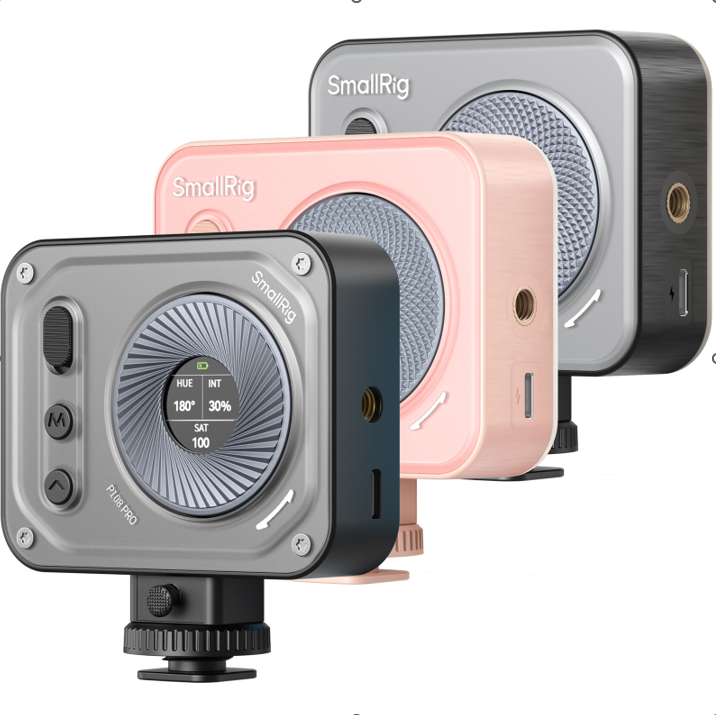

LED technology has revolutionized video production, offering filmmakers unprecedented control over light quality, color temperature, and portability. LED tube lights and COB (Chip-on-Board) fixtures have become essential tools in modern film lighting kits, promising professional results without the heat and power demands of traditional tungsten sources. Yet many videographers find themselves disappointed when their footage lacks the cinematic polish they envisioned, despite investing in quality equipment. The culprit is rarely the lights themselves but rather subtle technical missteps in how they’re deployed. This guide moves beyond basic setup instructions to address the most frequent errors professionals make with LED tube lighting and COB lights. You’ll discover actionable solutions for color accuracy challenges, light quality issues, and power management problems that separate amateur-looking footage from broadcast-grade content. By understanding these common pitfalls and implementing proven techniques, you’ll unlock the full potential of your lighting arsenal and achieve consistent, professional results on every shoot.
Understanding Your Tools: LED Tube vs. COB Light Fundamentals
LED tube lights and COB fixtures serve fundamentally different purposes in professional video production, and confusing their roles is where many lighting mistakes begin. LED tube lights consist of multiple individual diodes arranged linearly, creating elongated light sources that excel at creating soft, wraparound illumination or serving as practical elements within the frame. Their shape makes them ideal for edge lighting, hair lights, or simulating window light and neon fixtures. COB lights, by contrast, concentrate numerous LED chips onto a single surface, producing an intense point source similar to traditional Fresnel fixtures. This concentrated output makes COB units perfect for key lights that need punch and directional control, especially when paired with focusing optics or reflectors. The critical error occurs when videographers treat these tools interchangeably—using a bare COB where soft fill is needed, or expecting a tube light to provide the intensity required for a dramatic key. Beyond understanding their physical differences, professionals must scrutinize technical specifications before deployment. A CRI rating below 95 or TLCI score under 90 will compromise color accuracy regardless of your camera’s capabilities. Color temperature consistency matters equally; budget fixtures may shift from 5600K to 5200K when dimmed, creating correction nightmares in post-production. Test your lights at various intensity levels before critical shoots, and verify that dimming curves remain smooth without introducing flicker at common shutter speeds. These foundational checks ensure your LED tube lighting and COB lights perform as precision instruments rather than unpredictable variables.
Pitfall 1: Poor Color Rendering and Mixed Temperatures
Nothing undermines professional video faster than skin tones that skew green or magenta, or a scene where your subject appears lit by fundamentally different light sources. This color chaos typically stems from two sources: LED fixtures with inadequate color rendering indexes, or mixing lights with mismatched color temperatures across your setup. A COB light rated at CRI 85 might seem acceptable on paper, but it will systematically fail to reproduce certain wavelengths, leaving reds looking muddy and complexions appearing sickly. The solution begins with rigorous testing before your shoot day arrives. Use a spectrometer or trusted color meter to verify manufacturer claims—place the meter at subject distance and confirm your LED tube lighting and COB lights actually deliver their advertised CRI and TLCI values at multiple dimming levels. Once you’ve validated your fixtures, establish a single color temperature standard for the entire scene. If your key COB operates at 5600K daylight balance, every tube light, fill source, and practical must match or be corrected to that exact specification. This requires manual verification with your meter at each fixture position, adjusting onboard controls to eliminate even 100K discrepancies that cameras will amplify. When working with fixtures from different manufacturers that stubbornly refuse to match, strategic gel application becomes essential. Quarter or eighth CTO/CTB gels can nudge outlier sources into harmony, while diffusion materials simultaneously soften output and blend minor color inconsistencies. For productions demanding absolute color fidelity, invest in a quality color meter as standard kit—it transforms guesswork into precision, ensuring your LED sources work as a unified system rather than competing elements that force compromise in the color grade.
Pitfall 2: Harsh Shadows and Unflattering Light Quality
Raw, undiffused LED sources create the telltale signature of amateur video: hard-edged shadows that carve unforgiving lines across faces and backgrounds, destroying the dimensional quality professional cinematography demands. COB lights, with their concentrated output, are particularly notorious offenders when pointed directly at subjects without modification. The human eye forgives these harsh transitions, but camera sensors mercilessly record every unflattering detail, creating footage that immediately signals inexperience. Transforming these point sources into beautiful, controllable illumination requires deliberate diffusion strategies tailored to each fixture type. For COB lights serving as key sources, large softboxes or octabanks provide the most efficient diffusion, spreading the intense output across a broader surface area while maintaining directionality. The critical factor is size relative to subject distance—a 36-inch softbox placed eight feet from your talent creates entirely different quality than the same modifier positioned three feet away, where it functions as a genuinely large source. When softboxes aren’t practical, position your COB to fire into a 4×4-foot bounce board of white fabric or foam core, creating an indirect source that wraps light around facial contours naturally. LED tube lighting offers different diffusion opportunities due to its linear form factor. These fixtures already provide softer illumination than bare COBs, but strategic enhancement elevates their contribution. Snap-on diffusion sleeves reduce intensity while spreading output more evenly, transforming tubes into elegant edge lights that separate subjects from backgrounds without creating competing shadows. The sophisticated approach layers multiple source types: a heavily diffused COB as your primary key, tube lights positioned for hair and edge separation, and carefully placed negative fill using black flags to carve dimension back into the flattened shadows. This combination creates the controlled contrast range that defines professional imagery, where shadows transition gradually rather than snapping abruptly between light and dark. Bounce techniques deserve equal attention—a white reflector opposite your key light provides gentle fill that lifts shadow detail without introducing a second obvious source, while black flags strategically remove ambient spill that would otherwise flatten your carefully constructed lighting ratio.
Advanced Technique: Sculpting Light with Tubes and Modifiers
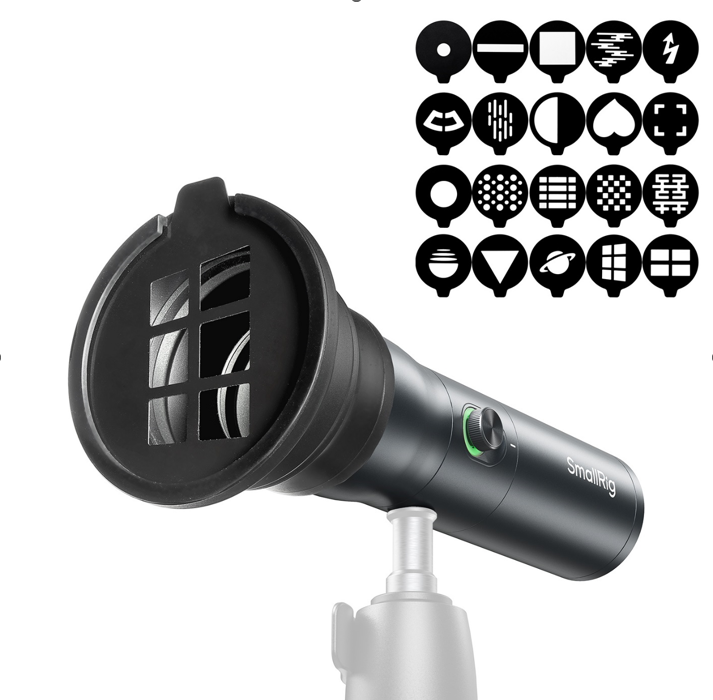
Professional cinematographers exploit LED tube lighting’s unique form factor by combining it with precision modifiers that transform these versatile fixtures into specialized tools. Honeycomb grids attached to tube housings concentrate output into narrow beams perfect for selective highlighting or creating controlled shafts of light through atmospheric haze. Programmable RGB tube lights positioned behind subjects generate separation through color contrast rather than intensity alone, adding production value without additional fixtures. When tubes serve as practical elements visible in frame—simulating fluorescent fixtures or neon signage—barn doors and flags become essential for controlling spill onto areas where their color temperature or intensity would contaminate your primary lighting scheme.
Pitfall 3: Inadequate Power and On-Set Rigging Issues
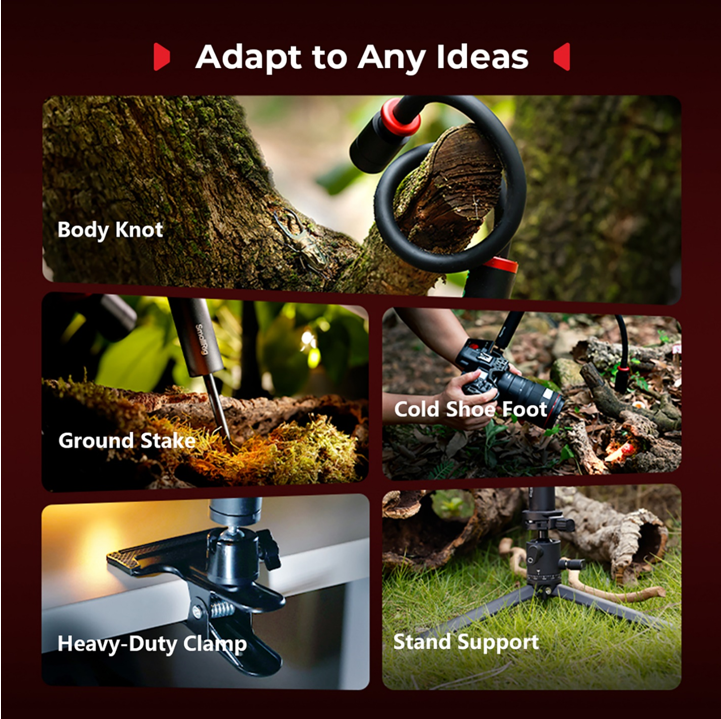
Even perfectly color-matched, beautifully diffused lighting becomes worthless when power failures interrupt takes or improperly secured fixtures crash mid-shoot. Power-related flicker represents the most insidious technical failure—often invisible to the naked eye but brutally apparent in footage, manifesting as strobing that renders scenes unusable. This issue traces directly to dimming methodology: cheaper LED tube lighting and COB lights employ PWM (pulse-width modulation) dimming that rapidly switches power on and off at frequencies that can sync disastrously with your camera’s shutter speed. The solution requires matching your shutter angle to the light’s PWM frequency or, preferably, investing in fixtures using constant-current dimming that adjusts voltage smoothly without pulsing. Before critical shoots, record test footage at your planned frame rate and shutter speed with lights at various intensities, reviewing playback at full resolution to catch any flicker. Battery-powered setups introduce additional vulnerabilities—V-mount batteries must provide consistent voltage throughout their discharge cycle, as power sag causes both dimming and color temperature shifts that create mismatched shots within the same scene. Always use batteries from reputable manufacturers with sufficient capacity ratings, and swap them before they drop below 30% charge to maintain output consistency. Rigging failures pose physical dangers alongside production delays. COB lights, particularly high-wattage models, carry substantial weight that demands C-stands with proper counterbalancing and wide leg spreads. Every overhead fixture requires redundant safety cables independent of the primary mount, creating fail-safe protection if clamps loosen during operation. LED tubes, though lighter, need secure mounting that prevents rotation or sagging that would alter your carefully positioned highlights. SmallRig and similar manufacturers offer specialized mounting solutions designed specifically for LED fixtures, providing the secure attachment points and cable management features that prevent common rigging failures. Sandbag every stand base, route power cables to prevent tripping hazards, and use cable ties to manage the inevitable tangle of power and control lines that accumulates around multi-light setups. This disciplined approach to power management and physical rigging transforms your lighting package from a collection of individual tools into a reliable, professional system.
Achieving Professional Results with LED Lighting
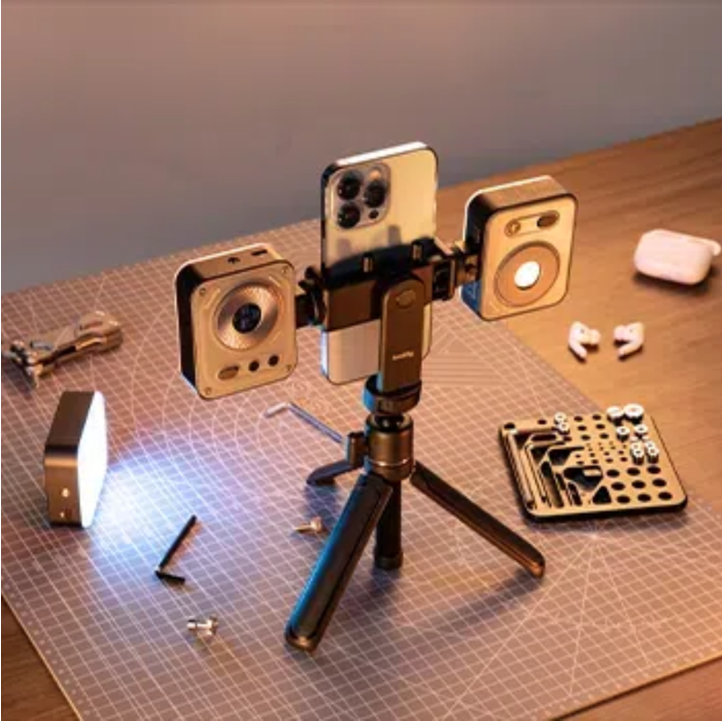
Mastering LED tube lighting and COB lights for professional video production hinges on avoiding three critical pitfalls: color inconsistency that destroys visual credibility, harsh light quality that exposes technical inexperience, and power or rigging failures that compromise both safety and shot consistency. These challenges aren’t inherent flaws in LED technology itself but rather consequences of deployment without proper technical rigor. The difference between amateur footage and cinematic results lies not in equipment budgets but in disciplined methodology—verifying color accuracy with meters rather than trusting manufacturer claims, strategically diffusing and bouncing light to create dimensional beauty, and implementing robust power and rigging protocols that ensure reliability throughout production. Your film lighting kit functions as an integrated system where each fixture serves a specific purpose: COB lights delivering controlled intensity as keys, LED tubes providing elegant accents and separation, all harmonized through careful color matching and modification. By implementing the testing procedures, diffusion techniques, and power management strategies outlined here, you transform unpredictable variables into precision instruments. Practice these solutions methodically across diverse shooting scenarios, building the muscle memory and technical confidence that allows you to focus on creative storytelling rather than troubleshooting technical failures. Consistent, broadcast-quality photography lighting becomes not an aspiration but a reliable standard you deliver on every project.


