

Every year, carbon monoxide poisoning kills more than 400 people in the United States and sends nearly 100,000 to emergency rooms — and most victims never saw it coming. In 2019, a family in suburban Ohio went to sleep on a winter night with a malfunctioning furnace quietly filling their home with an invisible, odorless gas. They were fortunate enough to survive, but thousands of others are not. Carbon monoxide, often called the “silent killer,” offers no warning signs you can see, smell, or taste — making it one of the most deceptive dangers lurking inside modern homes.
Despite this very real threat, many families remain dangerously underprepared. Parents may not know which alarm to buy, where to install it, or how to teach their children to respond when one sounds. The good news is that preparation is straightforward once you understand the basics. This guide walks you through everything you need to know — from recognizing CO risks and symptoms, to selecting the right alarms, to building a family emergency plan. By the end, you’ll have the knowledge and confidence to protect every person under your roof.
The Silent Threat: Understanding Carbon Monoxide Risks and Symptoms
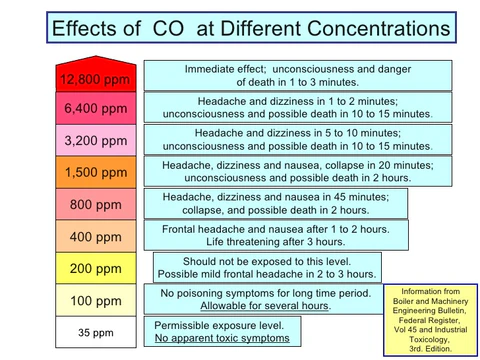
Carbon monoxide is a colorless, odorless gas produced whenever fuel burns incompletely. When a furnace, water heater, or gas range malfunctions, CO can accumulate indoors within minutes — and because you can’t detect it with your senses, exposure often goes unnoticed until symptoms become severe. At low concentrations around 35 parts per million (ppm), prolonged exposure causes headaches and dizziness. At 150–200 ppm, confusion and unconsciousness follow. Above 400 ppm, exposure becomes life-threatening within hours. These thresholds matter because the difference between a mild headache and a fatal outcome is simply time.
CO poisoning mimics the flu — nausea, fatigue, shortness of breath, and disorientation — which is exactly why so many victims delay seeking help. Unlike the flu, though, symptoms typically improve when you leave the house and worsen when you return. If multiple family members feel sick simultaneously, especially during winter when windows stay closed, treat it as a CO emergency immediately. Children, elderly individuals, and people with cardiovascular conditions are especially vulnerable and may lose consciousness before adults recognize any danger.
Teaching your family to recognize these symptoms is just as important as owning an alarm. Explain to children that if they feel suddenly dizzy or sick at home, they should tell an adult and go outside right away. Adults should know never to dismiss “flu-like” symptoms during heating season without ruling out CO exposure first. Unlike smoke, which triggers visible and olfactory warnings, CO gives no sensory cues — making a functioning detector the only reliable line of defense. This is precisely why CO alarms must be treated as a separate safety system from smoke alarms, not an afterthought.
Key Sources of CO in Households
The most common CO sources in homes include gas furnaces, boilers, fireplaces, wood-burning stoves, gas ranges, clothes dryers, and vehicles left running in attached garages. Even a car idling for two minutes can raise garage CO levels to dangerous concentrations that seep into living spaces. Portable generators — frequently used during power outages — are among the most dangerous sources and should never operate indoors or near open windows. Scheduling annual professional inspections for all fuel-burning appliances, keeping flues and vents clear of debris, and never using outdoor equipment inside are the most effective preventive measures you can take.
How to Choose the Best Smoke and CO Alarms: A Buyer’s Guide
Walking down the alarm aisle at a hardware store can feel overwhelming — dozens of options, varying price points, and marketing language that all sounds equally urgent. The first decision to make is whether to buy standalone units or combination smoke and CO alarms. Combination alarms are generally the smarter choice for most households: they reduce the number of devices to maintain, ensure CO detection is never overlooked, and are now widely available at accessible price points. That said, standalone CO monitors remain valuable in specific rooms like garages or utility closets where smoke detection isn’t the priority.
Sensor technology is where many buyers go wrong. For carbon monoxide specifically, electrochemical sensors are the gold standard — they respond faster to concentration changes and maintain accuracy over time compared to older biomimetic or metal oxide semiconductor alternatives. For smoke detection, look for dual-sensor alarms that combine ionization sensors (better for fast-flaming fires) with photoelectric sensors (better for slow, smoldering fires). A combination alarm using both technologies gives your family the most comprehensive coverage against fire and CO simultaneously.
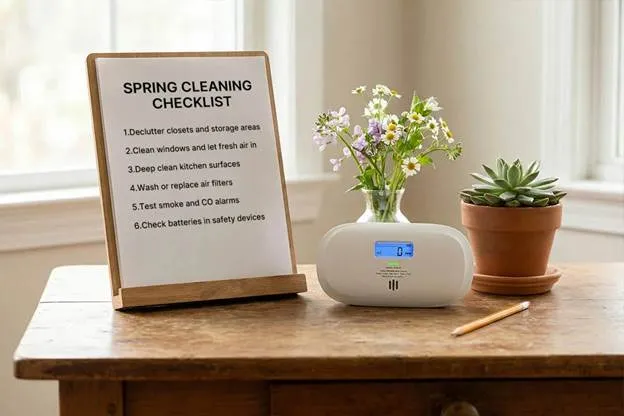
Certification standards matter more than brand recognition. Look for alarms carrying UL 2034 certification for CO detection and UL 217 for smoke — these marks confirm the device has passed rigorous independent safety testing. When evaluating a recommended CO monitor, also check alarm loudness; the Consumer Product Safety Commission recommends a minimum of 85 decibels at 10 feet, which is loud enough to wake sleeping family members. Models with digital displays showing real-time CO concentration in ppm — such as those offered by X-Sense — are particularly valuable because they help you distinguish between a minor reading and an emergency requiring immediate evacuation.
Power source is another practical consideration. Battery-operated alarms offer flexibility during power outages but require consistent battery management. Hardwired alarms with battery backup provide the most reliable protection — they stay active during blackouts while eliminating the risk of a dead battery going unnoticed. For larger homes or multi-story layouts, interconnected alarms are essential: when one triggers, all units sound simultaneously, ensuring a sleeping child on the third floor hears an alarm that activated in the basement.
Top Features to Prioritize for Family Safety
Beyond basic detection, certain features make a meaningful difference for families with children or elderly members. Voice alerts — where the alarm announces “Warning: Carbon Monoxide” rather than just beeping — help young children understand what the alarm means and what action to take. Battery backup ensures protection continues during storms or outages. Smart alarms that connect to your home Wi-Fi send real-time notifications to your phone, which is particularly valuable when you’re away and children are home with a caregiver. Interoperability with broader home safety systems, including smart speakers and security platforms, adds another layer of response capability. Prioritize these features based on your household’s specific vulnerabilities rather than buying the most expensive option by default.
Proper Installation and Maintenance for Optimal Alarm Performance
Even the best alarm fails if it’s mounted in the wrong location or neglected over time. For smoke alarms, install units on every level of your home, inside each bedroom, and outside sleeping areas. CO alarms should be placed at knee height or near floor level in rooms with fuel-burning appliances, since CO disperses evenly but tends to accumulate lower in cooler air. Position all alarms away from cooking appliances, bathrooms, and air vents — these locations generate steam, grease particles, or airflow that trigger false alerts and erode sensor accuracy over time.
Mounting height matters for smoke alarms specifically: install them on ceilings or high on walls, since smoke rises. Keep them at least 10 feet from cooking equipment to reduce nuisance trips. In garages or utility rooms, mount CO detectors no closer than 15 feet from fuel-burning appliances to allow normal combustion byproducts to disperse before triggering the alarm.
Maintenance is straightforward but non-negotiable. Test every alarm monthly using the built-in test button — a quick press confirms the horn and circuitry are functioning. Replace batteries annually, or immediately when a low-battery chirp begins. Clean units every six months by vacuuming the exterior vents gently to prevent dust buildup from interfering with sensors. Most critically, replace alarms on schedule: smoke alarms every 10 years, CO alarms every 5–7 years. Sensors degrade silently over time, meaning an outdated alarm may appear functional while providing little actual protection. Check the manufacture date printed on the back panel and set a calendar reminder so replacements never slip through the cracks.
Creating a Family Safety Plan: Response Time and Emergency Actions
When a CO or smoke alarm sounds, every second counts — and panic is the enemy of good decisions. Establish a clear, practiced response before an emergency happens. The moment an alarm activates, do not investigate the source. Get everyone out of the house immediately, including pets, and close doors behind you to slow the spread of smoke or gas. Move to your designated outdoor meeting point — ideally at the end of the driveway or a neighbor’s yard — and call 911 from there. Never re-enter the building until emergency responders have declared it safe.
Understanding alarm patterns helps your family respond appropriately. A continuous alarm signals an active emergency requiring immediate evacuation. An intermittent chirp — typically four beeps, a pause, then four more — indicates a CO warning at lower but rising levels; treat it as a full emergency. A single chirp every 30–60 seconds usually signals a low battery, not danger, but replace it that same day.
Build your family safety plan around three core elements: a rehearsed escape route from every room, a fixed outdoor meeting point, and a designated emergency contact outside the household. Practice a full evacuation drill twice a year — once during the day and once at night, since disorientation in the dark is a real obstacle for children. During drills, teach kids to stay low if there’s smoke, check doors for heat before opening them, and go directly to the meeting point without stopping. Post emergency numbers — including poison control at 1-800-222-1222 — near the front door. Involving children in planning these steps, rather than just telling them what to do, dramatically improves their ability to act calmly when it matters most.
Building a Safer Home: Your Next Steps for CO and Smoke Protection
Carbon monoxide is undetectable by human senses, but it is entirely preventable as a cause of tragedy. Throughout this guide, we’ve covered the essential layers of protection your household needs: recognizing how CO accumulates and what symptoms to watch for, selecting alarms with the right sensor technology and certifications, installing and maintaining them correctly, and building a practiced family response plan. Each of these steps reinforces the others — a well-chosen alarm means nothing without proper placement, and perfect installation offers little if your family doesn’t know how to respond when it sounds.
The most important thing you can do today is audit what you already have. Check the manufacture dates on your current alarms, verify they carry UL 2034 and UL 217 certifications, and confirm you have working units on every level of your home. If anything is outdated or missing, replace it now — not after the next power outage or heating season begins. Talk to your children about CO symptoms and run an evacuation drill this week while the information is fresh.
Sharing this knowledge matters beyond your own household. Pass this guide along to neighbors, grandparents, or anyone caring for young children. Community awareness is its own form of protection. The families who survive CO emergencies are almost always the ones who prepared before the alarm ever sounded.