

Cricket was never meant to stay confined within geography. It travels quietly at first, carried in memory, in habit, in weekend rituals and then, almost suddenly, it takes root somewhere new. Few places embody this journey better than the United Arab Emirates, where cricket has grown not through tradition alone, but through movement. Through people. Through stories that crossed oceans and refused to be left behind.
Walk through Dubai or Sharjah on a match day and you’ll notice something peculiar: the atmosphere feels borrowed, yet entirely authentic. Conversations drift between Hindi, Urdu, Bengali, and English. Screens glow in cafés and barbershops. Taxi drivers follow live scores between rides. It doesn’t feel like a transplanted sport, it feels lived-in.
The reason is simple, but powerful. The UAE is home to one of the largest expatriate populations in the world, with millions of residents from South Asia, particularly India, Pakistan, Bangladesh, and Sri Lanka. These communities didn’t just bring cricket with them—they carried its emotional weight. And in doing so, they reshaped the sporting identity of an entire region.
Sharjah Nights and Desert Echoes
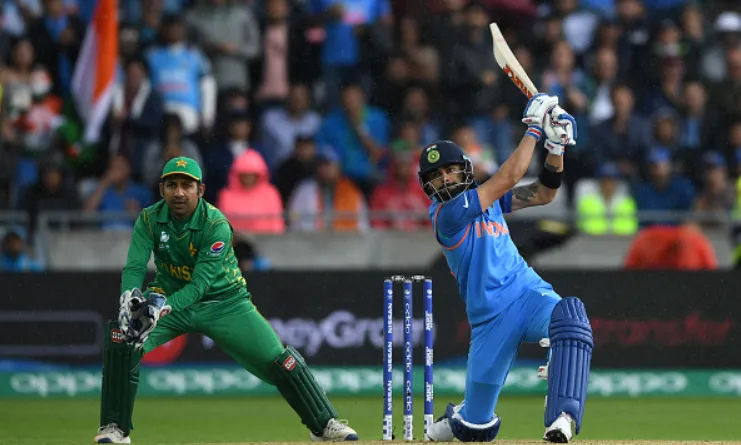
Long before modern leagues and streaming platforms, Sharjah Cricket Stadium had already become a symbol of cricket’s unlikely expansion. In the 1980s and 1990s, it hosted iconic clashes, particularly between India and Pakistan, drawing massive crowds and even larger television audiences.
Those matches had a different texture. Played under desert lights, surrounded by fans who were far from home, they carried a sense of nostalgia mixed with intensity. For many expatriates, attending a game in Sharjah wasn’t just about sport, it was about reconnecting with something familiar. A reminder of home, compressed into a few hours of tension and celebration.
Even today, Sharjah retains that aura. It’s not the biggest stadium, nor the most modern, but it holds a kind of emotional gravity that newer venues struggle to replicate.
A Culture Built on Connection
What makes cricket in the UAE unique isn’t just its popularity, it’s the way it’s woven into everyday life. Unlike countries where cricket is tied to national identity, here it’s tied to personal identity. It belongs to individuals, to communities, to shared experiences.
A construction worker finishing a long shift might gather with friends to watch a T20 match on a small screen. Office workers might organize weekend leagues on dusty pitches at the edge of the city. Families follow tournaments not just as spectators, but as participants in a broader cultural rhythm.
This decentralized, community-driven passion has created a different kind of cricket culture, less formal, perhaps, but deeply rooted.
And where there is passion, there is engagement. Increasingly, that engagement extends beyond watching and discussing matches.
The Quiet Rise of Cricket Betting in the UAE
Cricket’s unpredictability has always been part of its charm. A match can shift in a single over, a single delivery, a single decision. For fans who follow the game closely, this unpredictability isn’t just exciting, it’s something to be analyzed, anticipated, even tested.
In the UAE, the high concentration of cricket-loving expatriates has naturally led to a growing interest in betting. It’s not driven by novelty, but by familiarity. Many residents come from countries where cricket betting, formal or informal, has long been part of the fan experience.
What’s changed in recent years is the accessibility of online platforms. Digital tools have made it easier for users to explore betting in a more structured way, moving away from informal setups toward more transparent systems. For those looking to understand this landscape, resources like UAE betting sites offer a gateway into the available options and how they function.
But what’s particularly interesting is how betting fits into the broader cricket culture here. It’s rarely just about the outcome. It’s about reading the game, understanding pitch conditions in Abu Dhabi, tracking player performance in franchise leagues, and anticipating strategies based on team composition.
In many ways, it reflects a deeper level of engagement. A desire not just to watch cricket, but to interact with it.
A Neutral Ground That Became a Stage
The UAE has also played a unique role as a “neutral venue” in international cricket. Political tensions have often prevented certain teams from hosting matches on home soil, and the UAE has stepped in as a reliable alternative.
Pakistan, for example, has used the UAE as a de facto home ground for years. This created an unusual dynamic: a team playing “at home” in a country that isn’t its own, supported by a diaspora that understands the stakes all too well.
These matches added another layer to the UAE’s cricket identity. It wasn’t just hosting games, it was becoming part of their narrative.
Major tournaments, including IPL seasons and ICC events, have also been staged in the UAE, further solidifying its position as a global cricket hub. The infrastructure is world-class, the time zone is convenient, and the audience, both in stadiums and online, is deeply invested.
Where Cricket Belongs to Everyone
Perhaps the most compelling aspect of cricket in the UAE is its inclusivity. It doesn’t belong to one nation, one team, or one history. It belongs to anyone who carries it with them.
A fan from Mumbai, a supporter from Lahore, a viewer from Dhaka, they all find common ground here. Rivalries still exist, of course, but they’re softened by shared distance. By the understanding that everyone is, in some way, away from home.
This creates a unique atmosphere, one where cricket becomes a bridge rather than a boundary.
And in that space, between memory and present, between home and elsewhere, the game continues to grow.
Not loudly, not forcefully, but steadily. Through conversations, through communities, and yes, even through the evolving ways fans choose to engage with it.
Because in the end, cricket doesn’t need borders. It only needs people willing to carry it forward.