
Few beauty treatments command attention quite like a full set of volume lashes. That dramatic, feathery fullness has made volume lash extensions one of the most sought-after services in salons worldwide, drawing in clients who want eyes that genuinely turn heads. But behind every stunning set lies a technically demanding process — one that tests a technician’s speed, precision, and stamina every single day.
For salon owners, the challenge goes beyond mastering the technique itself. The real pressure is delivering perfect, comfortable, long-lasting results consistently, across every client, every appointment. Slow application times eat into your booking capacity. Poor retention sends clients elsewhere. Uncomfortable procedures damage your reputation before word-of-mouth can even work in your favor.
So the question worth asking is this: how have the tools of the trade evolved, and what does that evolution mean for your business and your clients? The difference between a struggling lash menu and a thriving one often comes down to the equipment in your kit. In this article, we compare traditional methods with modern innovations across the full range of volume lash extension tools — giving you a clear picture of what to upgrade, what to prioritize, and how to turn better tools into better business outcomes.
The Foundation: Understanding Volume Lash Application
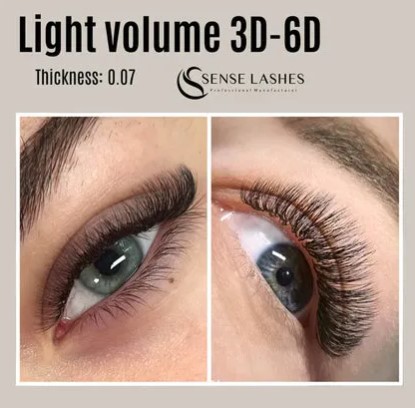
Volume lashes are built on a deceptively simple concept: instead of applying one extension to one natural lash, a technician creates a handmade fan of two to six ultra-lightweight extensions and bonds the entire fan to a single natural lash. The result is that signature full, fluffy look that single classic lashes simply cannot achieve. But the technique behind it demands a level of precision and speed that separates average technicians from truly skilled ones.
Every fan must be symmetrical, correctly sized for the natural lash it will sit on, and placed without touching the eyelid or neighboring lashes. Multiply that across a full set — often 80 to 120 natural lashes per eye — and you begin to understand why application times can stretch well beyond two hours for less experienced technicians. For salon owners, that time directly translates to revenue. A service that takes three hours instead of ninety minutes means fewer clients per day and a thinner bottom line.
Quality is equally non-negotiable. Fans that are poorly constructed or incorrectly bonded lead to premature shedding, unhappy clients, and negative reviews that no marketing budget can easily undo. This is exactly why the tools a technician works with are not a minor detail — they are the backbone of every result. The right equipment makes precision achievable, reduces fatigue, and keeps application times competitive, turning a technically demanding service into a consistently profitable one.
The Traditional Toolkit: Reliable but Limited
Before modern innovations reshaped the industry, volume lash technicians worked with a fairly straightforward set of tools. Standard straight or slightly curved metal tweezers served as the primary instrument for both isolation and fan creation. Basic cyanoacrylate adhesives handled bonding, gel eye pads protected the lower lashes, and simple tape or foam strips assisted with isolation. For their time, these tools got the job done — but the limitations become obvious when you examine what they actually demand from the technician and the client.
Traditional metal tweezers were designed for precision gripping, not for the delicate art of constructing symmetrical multi-lash fans. Their tension and tip geometry made fanning inconsistent, requiring technicians to develop elaborate hand techniques just to coax extensions into a clean spread. Many relied on the “pinch and roll” method on a lash strip, which added steps and time to every single fan. For newer technicians especially, the learning curve was steep and unforgiving.
Older adhesive formulas compounded the problem. They typically required longer drying windows — sometimes five to ten seconds — which slowed the entire application rhythm. More critically, they released stronger fumes during application, causing eye irritation and discomfort for sensitive clients. Retention was also less predictable, with environmental humidity and temperature swings affecting bond quality in ways that were difficult to control on a busy salon floor. Gel pads, while functional, were often stiff or poorly shaped, causing pressure discomfort during longer appointments. Together, these tools created a baseline that worked, but left significant room for improvement in speed, comfort, and consistency.
Where Traditional Tools Fall Short for Today’s Demand
The core problem with traditional tools is not that they fail outright — it is that they create friction at every stage of the process. Basic tweezers make easy fanning genuinely difficult, forcing technicians to slow down and compensate for inadequate tool design with extra manual effort. That slowdown accumulates quickly: if each fan takes even five seconds longer to construct, a full set of 200 fans adds over sixteen minutes to your appointment time. Across a full day of bookings, that lost time means one or two fewer clients served. Older adhesives with weaker retention formulas mean clients return for fills sooner than expected — or worse, they leave disappointed and do not return at all. Both outcomes quietly erode your revenue and your reputation simultaneously.
The Modern Arsenal: Precision, Comfort, and Efficiency
The past decade has brought a wave of purpose-built lash extension tools designed specifically around the demands of volume work — not adapted from general-purpose instruments, but engineered from the ground up for fan construction, precise placement, and extended application sessions. For salon owners, this shift is more than a product upgrade. It represents a fundamental change in what is achievable per appointment, per technician, per day.
Modern volume lash tools address the three pressure points that matter most to a running business: how quickly a technician can complete a full set without sacrificing quality, how comfortable the experience feels for the client in the chair, and how long the finished set actually lasts before a fill is needed. Each of these factors has a direct line to your bottom line — faster appointments mean higher booking capacity, comfortable procedures generate referrals, and strong retention builds the kind of client loyalty that fills your calendar months in advance.
What makes today’s tools genuinely different is that the improvements are not incremental. Redesigned tweezer geometry changes the mechanics of fanning entirely. New adhesive chemistry cuts drying time while dramatically reducing fume output. Refined isolation products give technicians cleaner access and better visibility throughout the appointment. Together, these innovations do not just make the job easier — they raise the ceiling on what a skilled technician can consistently deliver, making excellence repeatable rather than occasional.
Revolutionizing Precision: Advanced Tweezers and Applicators
Precision tweezers are the single most impactful upgrade a volume lash technician can make. Unlike standard metal tweezers, modern volume-specific designs come in curved, angled, and L-shaped profiles that align naturally with the angle of fan construction. Ultra-fine tips — often tapered to less than a millimeter — allow technicians to pick up two to six extensions simultaneously without disturbing neighboring lashes, making clean fan creation significantly more achievable on every attempt rather than a skill that only emerges after months of practice. Brands like SenseLashes have developed tweezer lines built specifically around these volume construction principles, reflecting how far purpose-built tooling has come since the days of repurposed general-use instruments.
The ergonomic engineering behind these tools is equally important. Traditional tweezers required a tight, sustained grip that accumulated tension in the fingers, hand, and wrist over a full day of appointments. Modern precision tweezers are balanced to reduce the gripping force needed, with spring tension calibrated specifically for lash work. Technicians report noticeably less hand fatigue during back-to-back appointments, which translates directly into maintained accuracy through the final client of the day — not just the first. Some designs also feature textured grips or wider body profiles that prevent slipping during delicate placement. For salon owners, this means fewer errors, faster corrections, and a more consistent finished result that clients can count on regardless of when their appointment falls in the day’s schedule.
Innovative Products for Superior Retention and Comfort
Modern volume lash adhesives have closed the gap between professional performance and client comfort in ways that older formulas simply could not manage. Fast-drying formulations now bond securely in one to two seconds, roughly three to five times faster than traditional options, without the trade-off of brittleness or reduced flexibility. Critically, low-fume and sensitive formulas have dramatically reduced the eye irritation that once made long appointments uncomfortable for clients — an improvement that directly affects how clients describe their experience to friends and family.
Beyond adhesive, the supporting product lineup has become genuinely sophisticated. Primers applied before bonding remove natural oils from the lash surface, creating a cleaner substrate that measurably improves how well extensions adhere over time. Nano-mist bonders applied immediately after application accelerate the curing process and seal the bond against humidity and early moisture exposure — one of the most common causes of premature shedding. Sealants applied at fills coat the bond point and extend overall wear time, reducing how frequently clients need to return for maintenance while keeping their lashes looking fresh between appointments.
Comfort improvements extend to isolation products as well. Hydrogel eye pads now conform to the under-eye contour rather than sitting flat, eliminating the pressure points that caused discomfort during two-hour appointments. Micro-foam tape and precision isolation tools give technicians cleaner separation between lash rows, reducing accidental sticking and the correction time it creates. Each of these products works together to make the full appointment experience smoother — for the technician executing the work and the client trusting you with their comfort.
Side-by-Side Comparison: Impact on Your Salon Business
When you lay traditional and modern tools against each other across the metrics that actually drive salon performance, the business case for upgrading becomes difficult to ignore. Here is how they stack up where it counts most.
Procedure Speed: Traditional tweezers and slow-cure adhesives routinely push full-set appointments past two and a half hours. Modern tools — ergonomic tweezers paired with fast-drying adhesives — bring that same service comfortably under ninety minutes for experienced technicians, opening space for one or two additional bookings per day.
Fanning Consistency: Standard tweezers make symmetrical fan creation a hard-won skill that takes months to develop. Purpose-built volume tweezers with angled tips make clean, even fans achievable far earlier in a technician’s career, reducing the rework that quietly inflates appointment times.
Client Comfort: High-fume traditional adhesives and rigid gel pads were the most common sources of client complaints during appointments. Low-fume formulas and contoured hydrogel pads have largely eliminated both issues, turning a tolerated procedure into a genuinely pleasant one.
Lash Retention Rates: Older adhesives bonded inconsistently under variable salon conditions. Modern formulas with primers and nano-mist bonders deliver predictable wear, meaning clients return on your schedule rather than ahead of it due to early shedding.
Technician Fatigue: Traditional tools accumulate hand strain across a full day. Ergonomic modern designs reduce that fatigue, preserving accuracy through every appointment.
Cost vs. ROI: Modern tools carry a higher upfront investment, but faster appointments, stronger retention, and better client satisfaction generate returns that quickly outpace that initial cost.
Implementing Modern Tools: A Practical Guide for Salon Owners
Knowing which tools outperform their predecessors is only half the equation. The other half is making the transition in a way that protects your schedule, your budget, and your team’s confidence. A structured approach turns what could feel like a disruptive overhaul into a straightforward upgrade that pays off quickly.
Step 1: Audit your current toolkit. Before spending anything, take stock of what you actually have. Test your tweezers for tip alignment and spring tension — worn or misaligned tips are a hidden source of fanning inconsistency. Check your adhesive’s average drying time and note any client feedback about fume sensitivity. Identifying your weakest links first tells you exactly where a replacement will deliver the fastest return.
Step 2: Prioritize precision tweezers and adhesive first. These two upgrades have the greatest combined impact on speed and retention. A set of volume-specific curved and isolation tweezers paired with a fast-drying, low-fume adhesive — such as those available through SenseLashes — will immediately shorten appointment times and reduce client discomfort complaints. Add primers and nano-mist bonders in the same purchase cycle to maximize the retention benefit from your new adhesive.
Step 3: Build a structured practice regimen for your team. New tool geometry feels unfamiliar before it feels natural. Schedule dedicated practice sessions on mannequin heads before transitioning to clients. Focus specifically on fan construction with the new tweezer profile — most technicians adapt within three to five focused sessions.
Step 4: Position the upgrade as a premium client benefit. Update your service descriptions to highlight low-fume adhesives, extended retention, and enhanced comfort. Clients respond to tangible improvements, and framing your upgrade this way supports both retention and premium pricing.
Step 5: Track results systematically. Monitor fill appointment intervals, client feedback scores, and daily booking capacity for four to six weeks post-upgrade. Concrete data confirms what is working and identifies any remaining gaps worth addressing in your next investment cycle.
Upgrading Your Lash Tools: The Path to a More Profitable Salon
The evolution from traditional to modern lash extension tools tells a clear story: what once required extraordinary technician effort and tolerance for inconsistency can now be achieved with precision, comfort, and speed built directly into the equipment. Standard metal tweezers and slow-curing, high-fume adhesives set a workable baseline, but they placed the burden of quality squarely on the technician’s raw skill and endurance. Purpose-built volume tweezers, fast-drying low-fume adhesives, nano-mist bonders, and contoured hydrogel pads shift that dynamic — making excellent results more repeatable, more accessible, and more sustainable across a full day of appointments.
For salon owners, the takeaway is straightforward. Upgrading your toolkit is not an expense to defer — it is an investment with measurable returns in booking capacity, client retention, and the kind of word-of-mouth reputation that no paid advertising can replicate. Faster appointments mean more clients served. Stronger retention means clients return on your terms. Comfortable procedures mean five-star reviews that build your calendar for months ahead.
The beauty industry rewards those who embrace innovation rather than work around its absence. As client expectations continue to rise and competition intensifies, the salons that thrive will be those equipped not just with skilled hands, but with the tools engineered to match that skill. Investing in modern lash extension tools today is how you build the business you want tomorrow.