

Colorado’s climate is tough on homes, and gutter systems are often one of the first components to show signs of stress. From heavy snow and ice to sudden downpours and high winds, gutters are constantly tested throughout the year. When problems go unnoticed, minor gutter issues can quickly turn into expensive structural damage. Understanding the most common gutter problems Colorado homeowners face is the first step toward preventing costly repairs.
Clogged Gutters and Downspouts
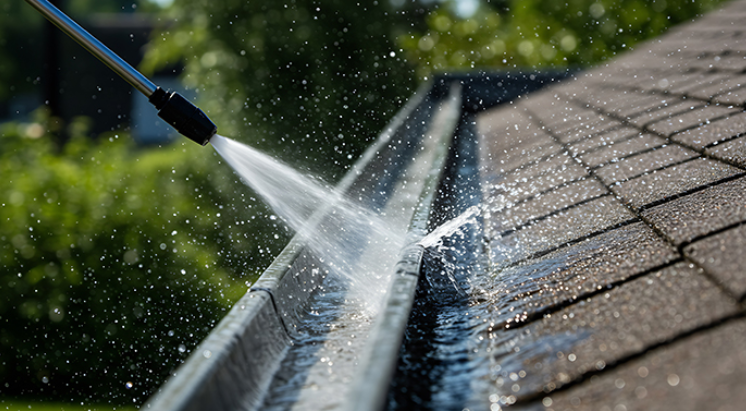
One of the most frequent issues in Colorado is clogged gutters. Pine needles, leaves, roof granules, and windblown debris can quickly build up—especially after fall storms or spring winds. When gutters clog, water has nowhere to go and spills over the edges.
Overflowing gutters can damage siding, stain exterior walls, and erode soil around the foundation. In colder months, trapped debris also contributes to ice buildup, increasing the weight on the system. Routine cleaning, especially before winter and after major storms, is one of the simplest ways to avoid these problems.
Ice Dams and Freeze-Thaw Damage
Ice dams are a major concern for Colorado homeowners. Snow melts during warmer daytime temperatures, flows into the gutter, and refreezes overnight. Over time, this creates thick ice that blocks proper drainage and forces water back under the roofline.
This trapped water can damage shingles, roof decking, insulation, and even interior ceilings. Gutters that are improperly pitched or loosely attached are especially vulnerable. Ensuring proper slope, secure mounting, and unobstructed flow helps reduce the likelihood of ice dams forming.
Sagging or Pulling Gutters
Heavy snow and ice place significant strain on gutter systems. When hangers are spaced too far apart or fasteners loosen over time, gutters can begin to sag or pull away from the fascia. This not only affects drainage but can also cause permanent damage to the roof edge.
Sagging gutters often collect more debris and water, compounding the problem. Reinforced hangers, correct spacing, and materials designed to handle Colorado’s snow loads are essential for long-term performance.
Leaks at Seams and Joints
Sectional gutters are prone to leaks at seams, especially in climates with frequent temperature swings. Expansion and contraction cause joints to weaken, sealants to crack, and sections to separate.
Even small leaks can allow water to run behind the gutter, damaging fascia boards and causing rot that often goes unnoticed until repairs become extensive. Seamless gutter systems significantly reduce this risk by minimizing the number of joints where leaks can occur.
Improper Gutter Size or Design
Many gutter systems fail simply because they’re undersized. Rapid snowmelt and intense summer rainstorms can overwhelm standard five-inch gutters, leading to overflow even when the system is clean.
Larger gutter profiles and properly sized downspouts move water more efficiently away from the home. Proper downspout placement is equally important—water should be discharged far enough from the foundation to prevent pooling and erosion.
Foundation and Basement Issues
When gutters don’t function properly, the foundation often suffers. Water that repeatedly pools near the base of the home can seep into the basement, cause cracks in concrete, and shift soil around the footings.
Colorado’s clay-heavy soils are especially sensitive to moisture changes, making effective drainage critical. Consistent gutter performance plays a key role in maintaining a stable foundation over time.
Prevention Starts With Professional Insight
While some gutter maintenance can be handled by homeowners, many issues stem from improper installation or system design. This is why homeowners often consult experienced professionals, such as a trusted Colorado Springs gutter company, to assess existing systems and recommend improvements tailored to local weather conditions.
A professional evaluation can identify hidden weaknesses, recommend appropriate materials and sizing, and ensure the system is properly secured to withstand Colorado’s seasonal extremes.
Protecting Your Home Long-Term
Gutters may not be the most visible part of a home, but their role in protecting roofs, walls, and foundations is critical. By addressing common gutter problems early—through regular maintenance, proper sizing, and quality installation—Colorado homeowners can prevent costly damage and extend the life of their entire exterior system.
In a state known for unpredictable weather, proactive gutter care isn’t optional—it’s essential.


