

Imagine a darkened stage suddenly coming alive as rolling clouds of white smoke cascade across the floor, catching beams of colored light and transforming an ordinary platform into an otherworldly landscape. A performer emerges from the haze, their silhouette sharpening as they step forward, and the audience collectively holds its breath. This is the power of smoke effects done right—they don’t just fill a room, they create an emotional experience that lingers in memory long after the show ends.
Yet for many performers and entertainers, smoke machines remain underutilized or poorly executed. The challenge isn’t simply owning the equipment; it’s understanding how to harness these tools to genuinely elevate a performance rather than obscure it. This guide provides a comprehensive roadmap for stage performers, DJs, theater directors, and event entertainers who want to master smoke machines effectively. From selecting the right device for your venue to synchronizing effects with lighting and choreography, you’ll discover how to craft atmospheric moments that captivate audiences, enhance ambiance, and turn good performances into unforgettable ones.
Understanding Smoke Machines and Stage Performance Effects
A smoke machine is a device that heats specialized fluid to produce a visible vapor, creating atmospheric effects that transform how audiences perceive a stage. In live entertainment, these machines serve as invisible architects—they shape space, direct attention, and amplify emotional resonance without ever drawing focus to themselves.
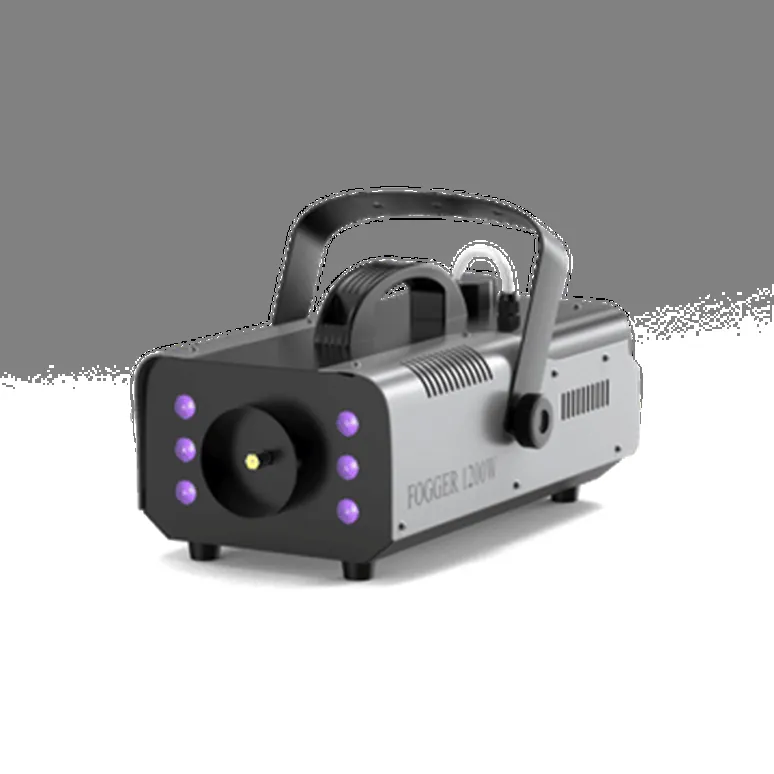
The three primary categories each serve distinct purposes in stage performance effects. Fog machines produce thick, dense clouds that roll dramatically across surfaces, ideal for creating mystery, concealing set changes, or building tension before a reveal. They generate visible plumes that audiences can watch move and shift, making them perfect for theatrical entrances and climactic moments. Haze machines, by contrast, work with subtlety. They disperse an even, nearly invisible mist throughout a venue that makes light beams visible and gives the air a luminous quality. Concert lighting designers rely on haze to turn individual light fixtures into sweeping aerial sculptures. Bubble and smoke machines combine whimsy with atmosphere, producing foam or bubble-infused effects that suit playful, family-friendly performances and celebratory events.
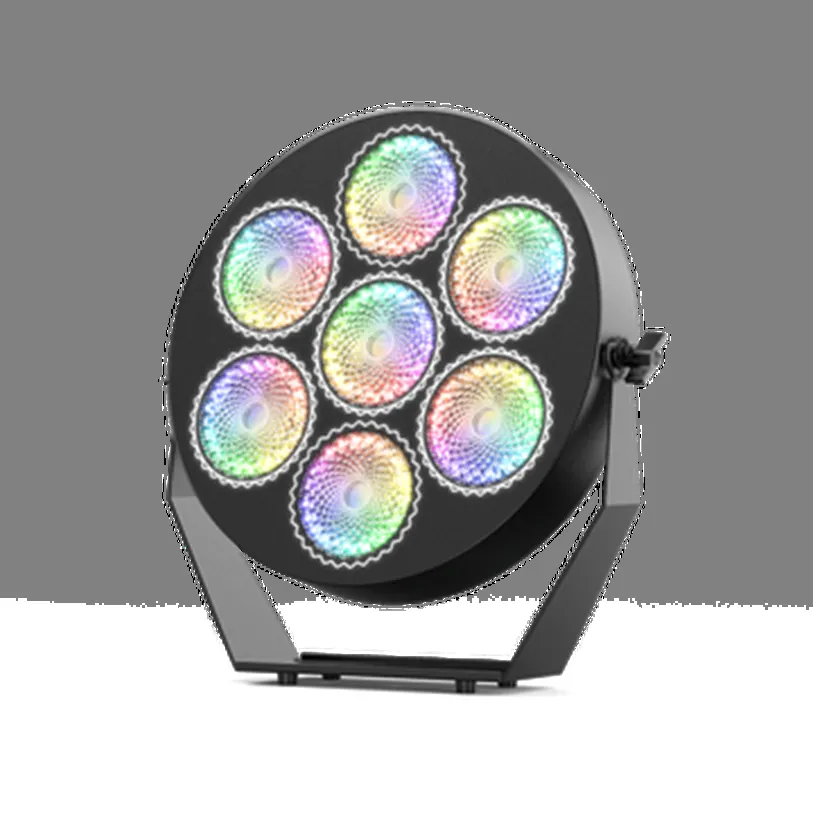
Beyond mere decoration, these effects fundamentally enhance visual storytelling. Smoke gives light something to interact with, turning flat washes into three-dimensional textures. It creates depth perception on stages that might otherwise feel two-dimensional, separates performers from backgrounds, and triggers primal emotional responses—mystery in darkness, wonder in illumination. When deployed thoughtfully, stage performance effects don’t just complement a show; they become an integral character in the narrative, guiding audience engagement from one moment to the next.
How to Choose the Right Smoke Machine for Your Performance
Selecting the right smoke machine begins with honestly assessing your performance environment. A 200-seat intimate theater demands an entirely different approach than an outdoor festival stage or a wedding reception hall. Venue size dictates output capacity—smaller spaces fill quickly and require machines with adjustable output to prevent overwhelming the audience, while large arenas need high-powered units capable of projecting effects across considerable distances without dissipating into nothing.
The effect you want to achieve should drive your decision more than any other factor. If you’re a theater director seeking ground-hugging fog for a graveyard scene or a wedding fog machine effect for a couple’s first dance, you’ll need a low-lying fog machine that chills the vapor so it stays close to the floor. DJs and concert performers typically benefit most from haze machines, which create that ambient atmosphere where laser beams and moving heads become visible sculptures of light without obscuring sightlines. For children’s entertainers or festival acts seeking playful energy, bubble and smoke machines deliver visual excitement that engages younger audiences immediately.
Portability matters significantly for touring performers. Compact, lightweight units with quick heat-up times save precious minutes during load-in, while permanently installed systems suit fixed venues where reliability over years outweighs convenience. Consider fluid consumption rates as well—frequent performers will spend considerably more on high-consumption machines over a season. Before purchasing, work through this decision-making checklist: What is your venue’s typical square footage? Do you need continuous atmospheric haze or dramatic burst effects? Will you transport the machine regularly? Does your venue have adequate ventilation? Are there fire alarm sensitivities you must accommodate? Do you need DMX compatibility for synchronized control with your lighting rig? Answering these questions narrows your options to machines that genuinely serve your creative vision rather than collecting dust backstage.
Step-by-Step Guide to Using Smoke Machines for Amazing Effects
Setting Up Your Smoke Machine Safely and Efficiently
Begin by positioning your machine on a stable, level surface away from flammable materials and exit paths. Place it upstage or offstage where the unit itself remains hidden from audience view, using ducting or fans to direct output where needed. Connect to a grounded power outlet—never daisy-chain extension cords with fog machines, as they draw significant amperage during heat-up. Fill the reservoir with manufacturer-recommended fluid only, checking for leaks around seals before powering on. Allow the full warm-up cycle to complete, which typically takes three to five minutes depending on the unit. Run a test burst before doors open to confirm output density, direction, and that nearby fire suppression systems won’t trigger. Mark your machine’s position with glow tape so crew can locate it in darkness, and keep a spare fuse and extra fluid within arm’s reach throughout the performance.
Operating Techniques for Different Stage Effects
For dramatic fog bursts that punctuate a reveal or musical drop, use your remote or DMX controller to trigger short, intense pulses of two to three seconds, then allow the cloud to expand naturally. To maintain consistent atmospheric haze throughout a set, operate the machine in timed intervals—brief activations every thirty to forty-five seconds keep the air evenly saturated without creating distracting plumes. Adjust output levels between performance segments; an intimate ballad needs barely perceptible haze, while a high-energy finale benefits from dense, visible fog. When using bubble and smoke machines, activate them during transitions or upbeat sections where floating elements complement rather than compete with the performer. Position a fan behind low-lying fog machines to push ground fog forward across the stage at controlled speeds, creating that cinematic rolling effect audiences find mesmerizing.
Integrating Smoke Effects with Lighting and Choreography
Smoke and lighting exist in a symbiotic relationship—one without the other loses most of its impact. Program your fog bursts to fire two to three seconds before a lighting change so vapor is already present when beams activate, revealing their full dimensional beauty. Pairing smoke effects with quality stage lighting fixtures from brands like UKING allows you to maximize the visual interplay between haze and colored beams, creating those sweeping aerial patterns that define professional productions. In theater, coordinate ground fog with actors’ blocking so performers emerge from or disappear into haze at precisely scripted moments. Concert lighting designers should trigger haze increases just before aerial effects like sweeping beam patterns or laser sequences. For wedding fog machine moments during a first dance, activate low-lying fog as the couple steps onto the floor, timing it with the musical introduction so the effect builds alongside the emotional arc. Always rehearse the complete sequence with all technical elements running simultaneously—smoke behaves differently under stage heat and with air conditioning active than it does in an empty, cool room.
Safety Tips and Maintenance for Your Smoke Machine
Ventilation stands as your most critical safety consideration. Every venue where you deploy smoke effects needs adequate airflow to prevent vapor accumulation that can trigger respiratory discomfort among audience members and performers alike. Before any show, identify the venue’s HVAC system, locate exhaust points, and confirm that fresh air circulation remains active throughout your performance. Never operate a smoke machine in a completely sealed space, and always position the output away from the front rows where concentrated exposure affects seated guests who cannot easily move away.
Use only manufacturer-approved fluids in your machine—substituting cheaper alternatives or homemade mixtures risks damaging internal components, producing harmful fumes, or creating residue that coats surfaces and equipment. Water-based glycol or glycerin fluids from reputable suppliers ensure clean vapor production and predictable results. Avoid overrunning your machine beyond its duty cycle; continuous operation without rest periods overheats the pump and heating element, shortening the unit’s lifespan and potentially causing mechanical failure mid-performance.
Maintenance between shows keeps your equipment reliable when it matters most. Flush the fluid lines with distilled water after every few uses to prevent mineral buildup and clogged nozzles. Inspect the heating element periodically for residue accumulation, and wipe down exterior surfaces to prevent fluid drips from becoming sticky traps for dust. Store your machine upright in a cool, dry location with the reservoir emptied to avoid stale fluid degrading internal seals. Common pitfalls include ignoring low-fluid warnings, which burns out heating elements dry, and failing to notify venue management about smoke use beforehand—resulting in evacuations when fire alarms activate unexpectedly. A two-minute pre-show communication with building staff prevents this embarrassing and potentially dangerous scenario entirely.
Elevate Your Performances with Mastered Smoke Effects
Mastering smoke machines isn’t about owning expensive equipment—it’s about understanding how vapor, light, and timing work together to create moments that move an audience. The right machine for your venue and performance style forms the foundation, whether that’s a haze machine painting concert lighting into visible art, a low-lying fog unit transforming a wedding first dance into a fairy tale, or a bubble and smoke machine bringing joy to a family event. From there, thoughtful setup, deliberate operating techniques, and careful integration with your broader production elements turn simple vapor into genuine theatrical magic.
The performers who consistently deliver unforgettable shows treat smoke effects as a creative instrument requiring the same practice and intentionality as any other aspect of their craft. Start with small, controlled experiments in your rehearsal space. Learn how your specific machine behaves under different conditions—temperature, airflow, humidity all influence results. Build your confidence through repetition, then push boundaries gradually. Maintain your equipment diligently, respect safety protocols without exception, and communicate with venue staff before every show. With these principles guiding your approach, smoke effects become far more than atmosphere—they become the invisible thread connecting your audience’s emotions to every beat of your performance.
