

Glare is one of those problems most people learn to tolerate rather than solve. You squint through the drive home, you lose the bottom half of a lake to a sheet of white light, you come back from a day outdoors with a low ache behind your eyes and assume that is simply what bright weather feels like. A polarizing filter addresses a specific slice of that discomfort, and it does so through optics rather than through marketing language. The trouble is that the word polarized has been printed on a great many lenses that are not polarized at all, and that the benefit itself is genuinely situational rather than universal. What follows is the practical side of the subject: what the filter is physically doing to the light reaching your eye, how to confirm in about a minute that a lens in your hand is the real article, the handful of situations where polarization becomes a liability instead of an advantage, and where tint color and ultraviolet protection fit in as separate decisions. No product specifications, no shopping list, just the tests and the reasoning you can apply on your own.
What a Polarizing Filter Actually Does to Light
Sunlight leaves the sun vibrating in every orientation at once. When it strikes a flat surface at a shallow angle, whether that is a lake, a wet road or an open field of snow, the reflected portion comes away with its vibration largely lined up along a single axis. Because those surfaces are horizontal, that axis is horizontal too. That organized reflection is what your eye registers as glare: a bright, structureless wash carrying almost no useful detail. A polarizing film is a microscopically fine grid laminated inside the lens and aligned vertically. It passes vertically oriented light and absorbs the horizontal component. The result is not a dimmer view of the world. It is the same view with one specific category of light subtracted from it.
The difference shows up as returned detail rather than as darkness, which is why the effect surprises people the first time they see it. Look at a river through an ordinary tinted lens and you see a silver sheet. Look through a polarizing filter and the sheet thins out until you can read the gravel on the bottom. On the road, the shimmer that builds over hot asphalt drops away and lane markings sharpen. Anglers, cyclists and anyone who drives west at six in the evening notice the change within seconds, which is why practical writing about polarized sunglasses centers on contrast rather than brightness. A dark lens dims everything equally and takes detail down with the glare. A polarized lens is selective, and that selectivity preserves the detail you wanted in the first place.
Confirming a Lens Is Genuinely Polarized
Marketing copy is cheap and polarizing film is not, so the claim on the tag deserves verification. The fastest check uses a screen you already own. Liquid crystal displays emit light that has already been polarized on its way out of the panel, which makes any phone or laptop a ready-made test source. Brighten the display, open a plain white page, hold a single lens in front of it, and slowly rotate that lens through a quarter turn while looking through it. A genuinely polarized lens darkens dramatically at one orientation, often close to black, then brightens as you keep turning. A merely tinted lens looks identical at every angle. Two cautions: work with one lens at a time rather than the whole frame, and use a blank white area rather than a busy image, since colored content and anti-glare coatings can muddy the effect.
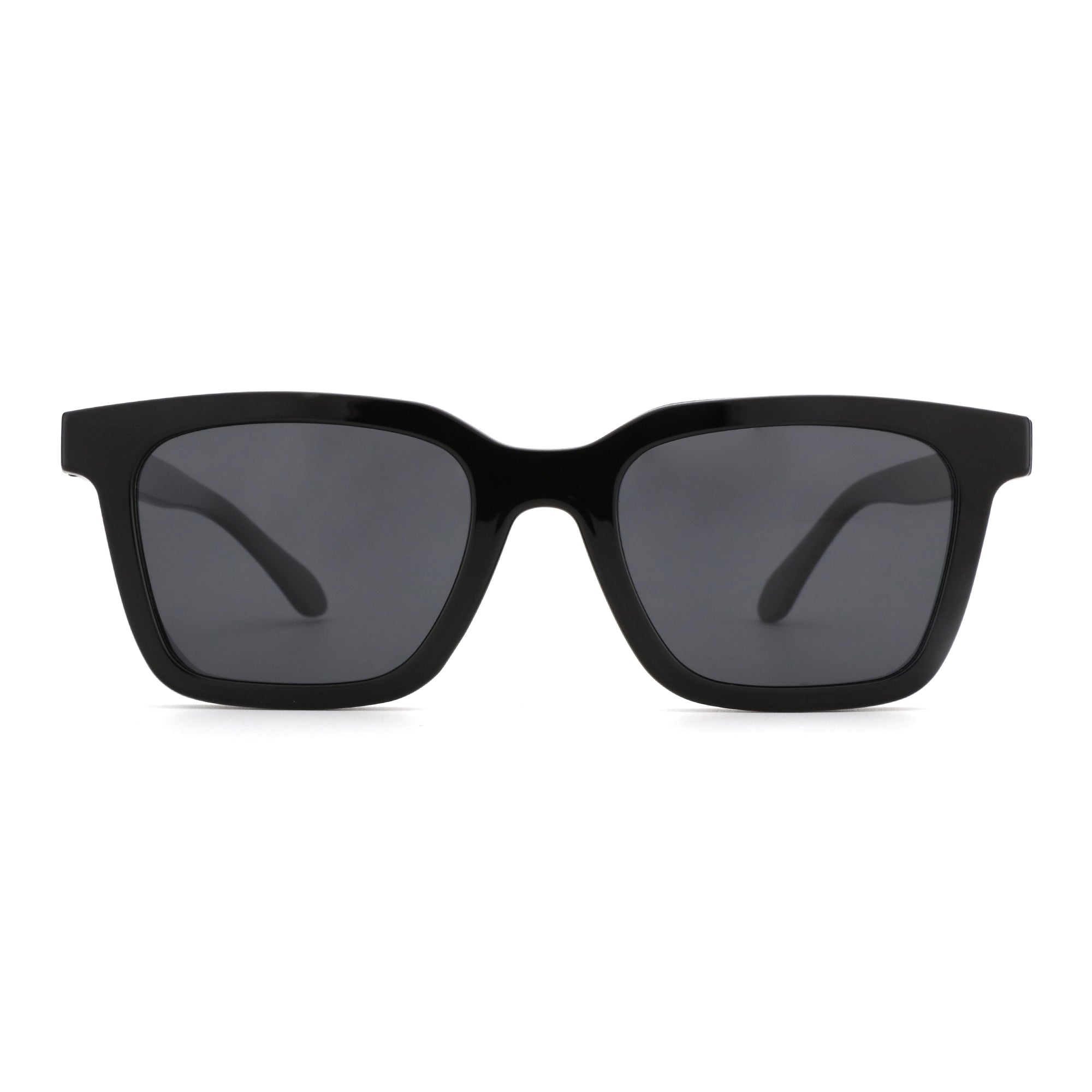
The second test needs no electronics and works outdoors, where you are likelier to be deciding. Take two pairs, hold one in front of the other so a lens from each overlaps, then rotate one pair a quarter turn relative to the other. If both are polarized, the overlapping region goes nearly opaque, because the two filters now pass perpendicular axes and between them block almost everything arriving. If the overlap merely dims a little, at least one is not doing what it claims. You can improvise with a single pair by folding one temple inward and looking through both lenses stacked, though the geometry is fiddlier, so treat that as rough confirmation rather than a verdict.
The third test matters most, because it measures the effect you are buying rather than the presence of the material. Find a real glare source: a parked car’s windshield, a puddle, a pond. Look at it from a low angle with the lens in front of your eye and then without, and while you look, tilt your head to each side. Real polarization gives two tells. The reflection collapses when your head is upright and returns as you tilt, because tilting rotates the filter away from vertical and lets the horizontal component back through. A lens that behaves identically at every head angle is tinted, not polarized.
The Situations Where Polarization Gets in the Way
A filter removes information indiscriminately once you step outside its intended use, and polarization is no exception. The most common annoyance sits in your own car. Instrument clusters, infotainment panels and navigation displays are liquid crystal screens, so they emit polarized light, and your lenses can dim them or wash them into odd patches of color depending on how the panel is oriented. Drivers who mount a phone in portrait sometimes find the screen almost unreadable through a polarized lens while the same phone turned sideways reads perfectly. The same physics reaches ATMs, ticket kiosks, camera viewfinders and the laptop you carry to a café table, so if much of your day involves reading screens in daylight, test this before you commit.
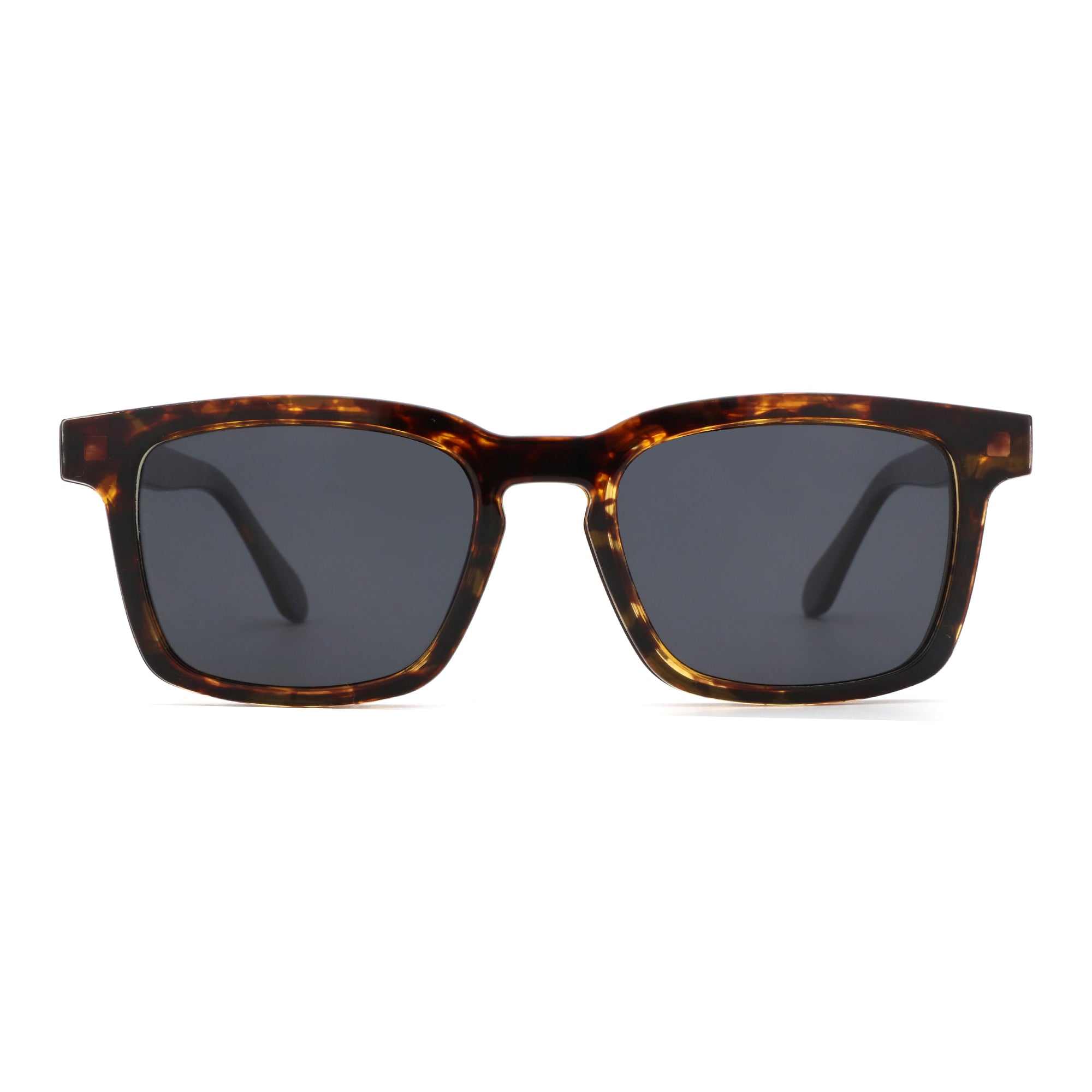
Aviation and winter sports raise a different objection. Pilots are routinely advised against polarized lenses, partly because windscreens and canopies carry internal stresses that show through a polarizing filter as rainbow-colored blotches, and partly because glass cockpit displays can dim unpredictably as the head moves. On snow the calculus is less settled. Polarization tames the flat glare off an open groomed run, but it also suppresses the specular highlights that let a skier tell sheet ice from soft snow, which is precisely the cue you want at speed in flat light. The honest answer is that the filter helps in most outdoor conditions and hurts in a few specific ones.
Tint Color, Ultraviolet Protection and Everyday Fit
Tint is a separate choice layered on top of polarization, and it changes how the world looks rather than how much glare survives. Neutral gray is the safe default because it darkens all wavelengths roughly evenly and leaves colors reading true, which matters when you are judging traffic lights. Brown and amber suppress blue light, lifting apparent contrast and depth on hazy days and against green backgrounds, at the cost of shifting colors slightly warm. Green sits between the two, while rose and copper exaggerate contrast further and suit overcast conditions better than harsh midday sun. Brands built around everyday wear, ZENOTTIC among them, tend to anchor their polarized ranges in gray and brown for that reason.
The most persistent misunderstanding here is the assumption that a polarized lens is automatically a lens that protects your eyes. It is not. Polarization is a comfort and clarity feature working on reflected visible light. Ultraviolet protection is a different function, delivered by an absorptive coating or by the lens material itself, and it operates on radiation you cannot see or feel. A lens can be beautifully polarized and pass ultraviolet freely, and a clear untinted lens can block it entirely. Because you cannot test for it with a screen or a second lens, this is the one property you have to take from a stated rating, so treat full ultraviolet coverage as non-negotiable regardless of what else the lens does.
Fit finishes the job the filter starts. A polarizing film only works on light that passes through it, so glare arriving around the edges of a small lens is glare you still squint against. Larger lenses and frames that curve toward the temples cut that side leakage, and they matter more near water or snow, where reflected light comes upward as well as inward. Before deciding, put the frame on, glance down at your phone, then out at a bright surface. If the screen stays usable and the bright surface loses its wash, the lens suits how you actually spend your day.
Letting the Tests Do the Deciding
Everything worth knowing here reduces to a short, repeatable routine. Understand that the filter subtracts the horizontally aligned light bouncing off flat surfaces, which is why the payoff arrives as recovered detail rather than as a darker picture. Verify the claim yourself instead of trusting the label: rotate a single lens against a white screen and watch for the near-blackout, cross two lenses at right angles and watch the overlap close down, then look at a real puddle or windshield while tilting your head and confirm the reflection comes and goes. Know the exceptions before they surprise you, since dashboard displays, cockpit windscreens and certain conditions on snow are places where the filter costs you information you need. Treat tint color as a preference shaped by where you spend your time, and treat ultraviolet protection as a separate requirement that no amount of polarization substitutes for. Sixty seconds of testing tells you more than any description on the packaging, and once you have run those checks a few times, the guesswork disappears for good.
