
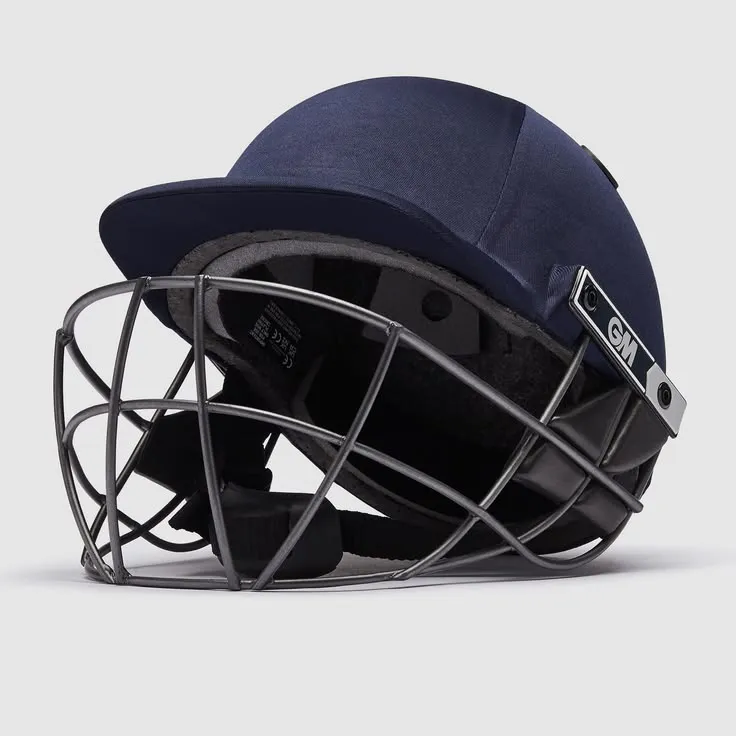
A cricket helmet looks simple from a distance: shell, grille, padding and straps. In practice, the differences between one model and another can affect comfort, visibility and confidence at the crease. A helmet that feels fine during a five-minute fitting may become distracting after an hour in warm conditions, so choosing one deserves more thought than picking a familiar badge.
Players often begin by comparing the best cricket helmet brands, but brand reputation should be only one part of the decision. Fit, coverage, ventilation and the way the grille sits in relation to the face all matter just as much.
Fit Comes Before Everything Else
A helmet should feel secure without creating pressure points around the forehead or temples. If it shifts when the head turns quickly, the size or adjustment may be wrong. On the other hand, a helmet that is too tight can become uncomfortable during long innings and may tempt a player to loosen it more than is sensible.
Trying the helmet with the hair, cap or sweatband normally worn during matches can also make a difference. Small changes in headwear alter how the padding sits. Junior players need regular fit checks as they grow, while adults should still recheck straps and padding after heavy use.
Pay Attention to the Grille
The grille has two jobs: it helps protect the face and it must allow the batter to see the ball clearly. Players should check whether the gap and position feel natural when they take their normal stance. A grille that sits too high or too low can become noticeable at exactly the moment concentration matters most.
This is especially relevant when choosing a professional cricket helmet for players. Higher-level cricket can involve faster bowling, longer sessions and more frequent use, so small comfort or visibility problems are likely to become bigger over time.
Ventilation Is Not Just a Comfort Feature
Cricket is often played in heat, and a helmet can trap warmth quickly. Good airflow helps make long spells at the crease less tiring. Ventilation openings, internal padding design and moisture control can all influence how hot a helmet feels after twenty or thirty minutes.
The lightest option is not automatically the coolest one. Two helmets with similar weights can feel very different because of their internal construction. This is why trying a model on is more useful than making a choice from weight figures alone.
Think About the Cricket You Actually Play
A club player facing medium pace once a week has a different routine from a batter playing competitive cricket several days in a row. Frequency of use should influence how much attention is paid to replaceable padding, durable fasteners and ease of cleaning.
Storage matters too. Leaving a helmet in a damp kit bag can shorten the life of internal materials and create unpleasant odors. Allowing it to dry after use and checking for damage should become part of ordinary kit care, not something done only at the start of a season.
Do Not Ignore Standards and Condition
Players should check that a helmet is intended for cricket and meets the safety requirements relevant to their competition or governing body. Rules and approved specifications can change, so the latest guidance should be checked before buying, particularly for junior or organized league cricket.
A used helmet needs extra caution. Cracks, damaged padding, bent grille parts or worn straps may not be obvious in a quick photograph. Protective equipment is one area where condition matters more than getting a bargain.
A Practical Buying Checklist
Before committing to a helmet, it helps to check a few basics:
-
Does it stay secure when the head moves?
-
Is vision clear in a normal batting stance?
-
Does the grille position feel right?
-
Is there enough ventilation for long use?
-
Can padding be cleaned or replaced?
-
Is the helmet suitable for the competition being played?
These questions are simple, but they prevent a common mistake: choosing on appearance first and discovering practical problems later.
Conclusion
A good cricket helmet should almost disappear from a batter’s attention once play begins. It needs to fit securely, allow a clear view and remain comfortable enough that the player is not constantly adjusting it. Branding can help narrow the field, but the final decision should be based on the person wearing it and the cricket they actually play.
For more cricket equipment explainers and practical guides, readers can explore sportsgotec.com, where gear-related topics sit alongside wider cricket rules, records and player-focused content.
